

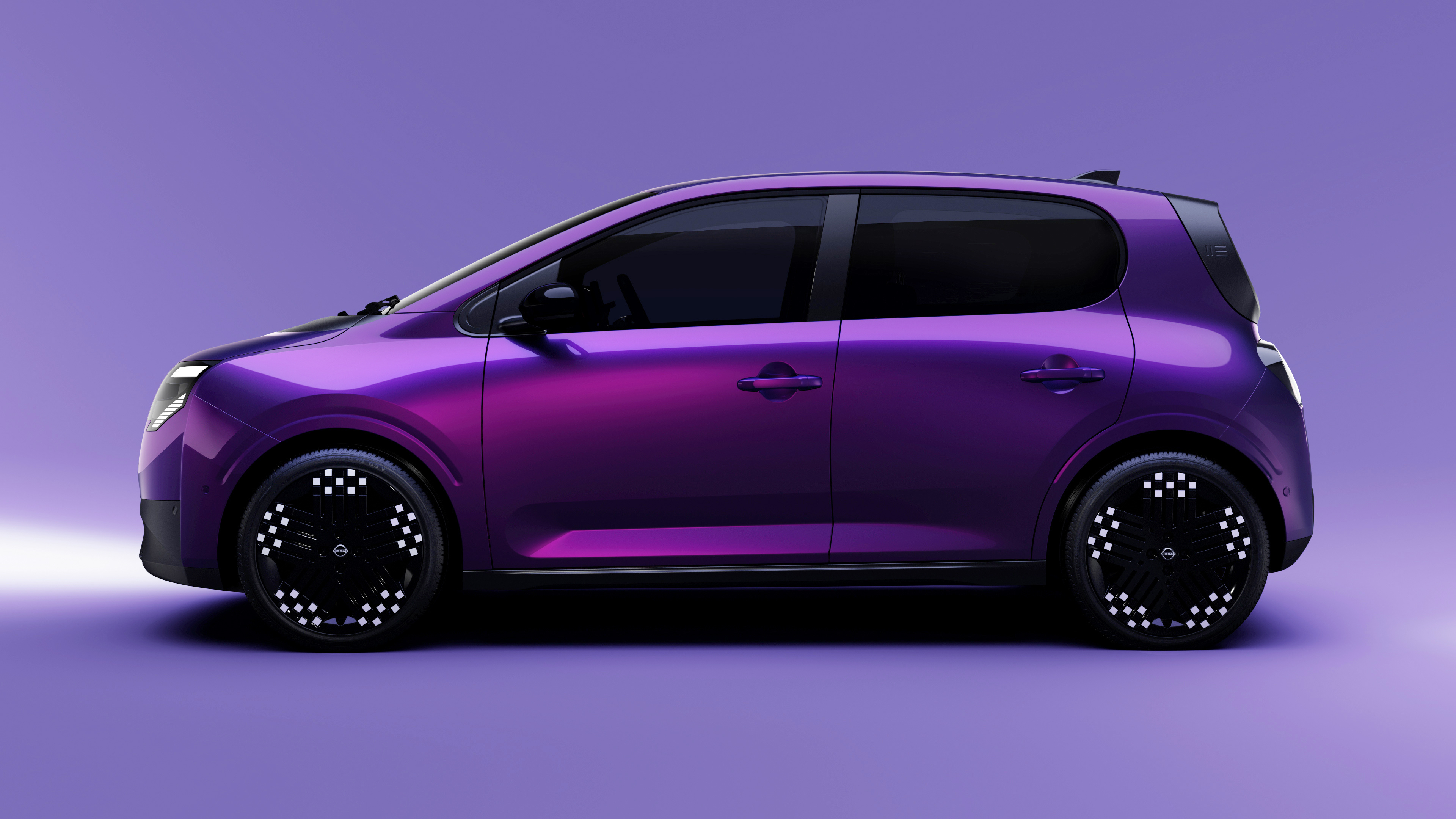
The new Pixo sits in the A-segment, making it Nissan's smallest electric car in Europe. It measures 3,796mm long and 1,790mm wide, and is designed primarily around urban driving rather than long-distance travel.
The Pixo name isn't new to Nissan. The original Pixo was a small petrol city car sold in the UK from 2009, closely related to the Suzuki Alto. More than a decade later, Nissan is reusing the name for an entirely new electric model aimed at a similar urban market.
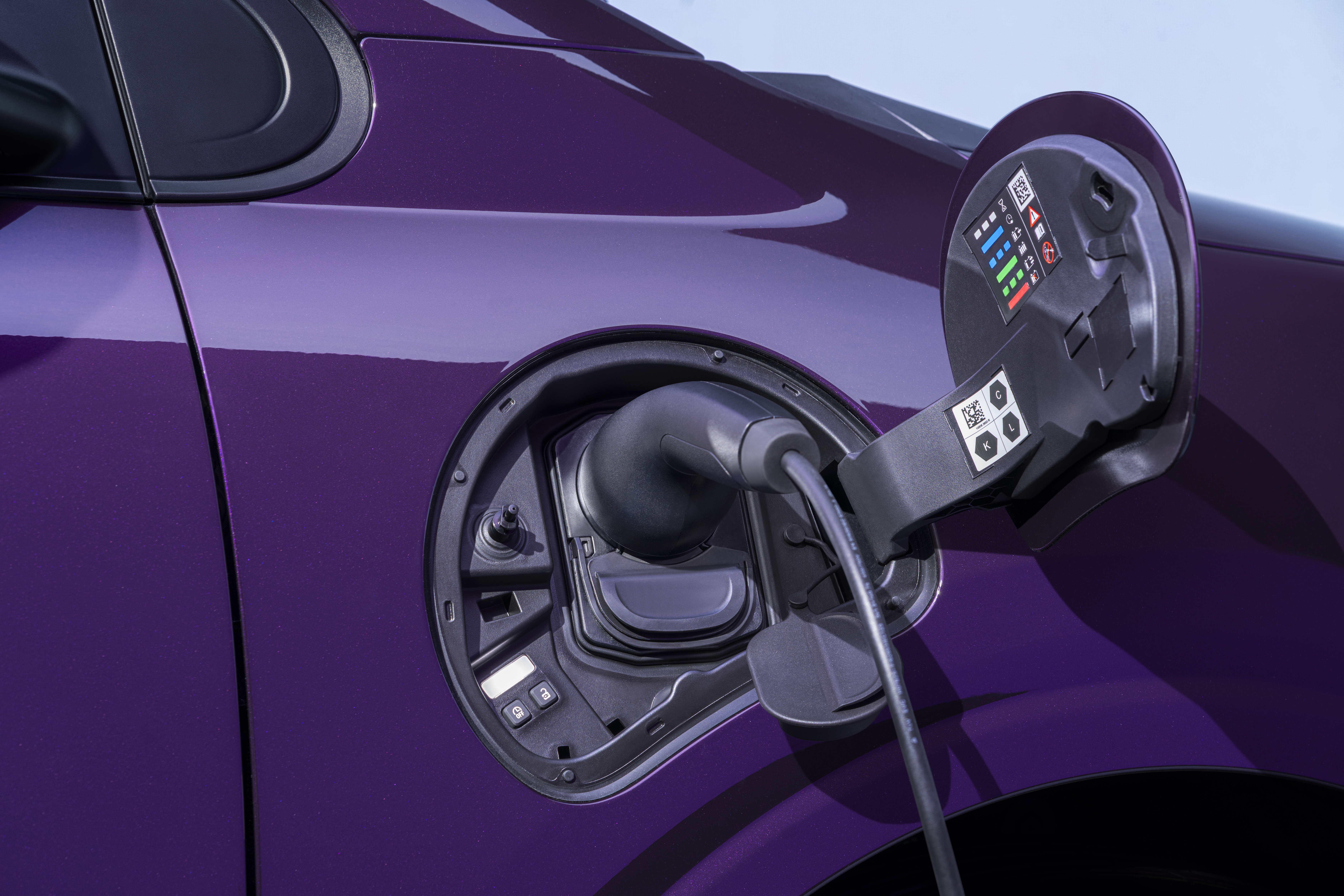
Nissan says the Pixo will offer around 161 miles, of WLTP range from a 27.5kWh lithium iron phosphate (LFP) battery. It will also get 50kW DC rapid charging as standard, with a 15 to 80% charge taking approximately 28 minutes.
The car also supports 11kW AC charging, including bidirectional charging capability. For drivers with access to home or workplace charging, that could make the relatively small battery less of a compromise for everyday use.
Small footprint, flexible interior
The Pixo's dimensions put it firmly into the city-car category, but Nissan has focused heavily on making use of the available space.
There are independently sliding rear seats, allowing the balance between passenger space and luggage capacity to be adjusted. With the rear seats in place, the boot offers 356 litres of capacity according to Nissan's VDA measurement, rising to 1,221 litres with the rear seats folded.
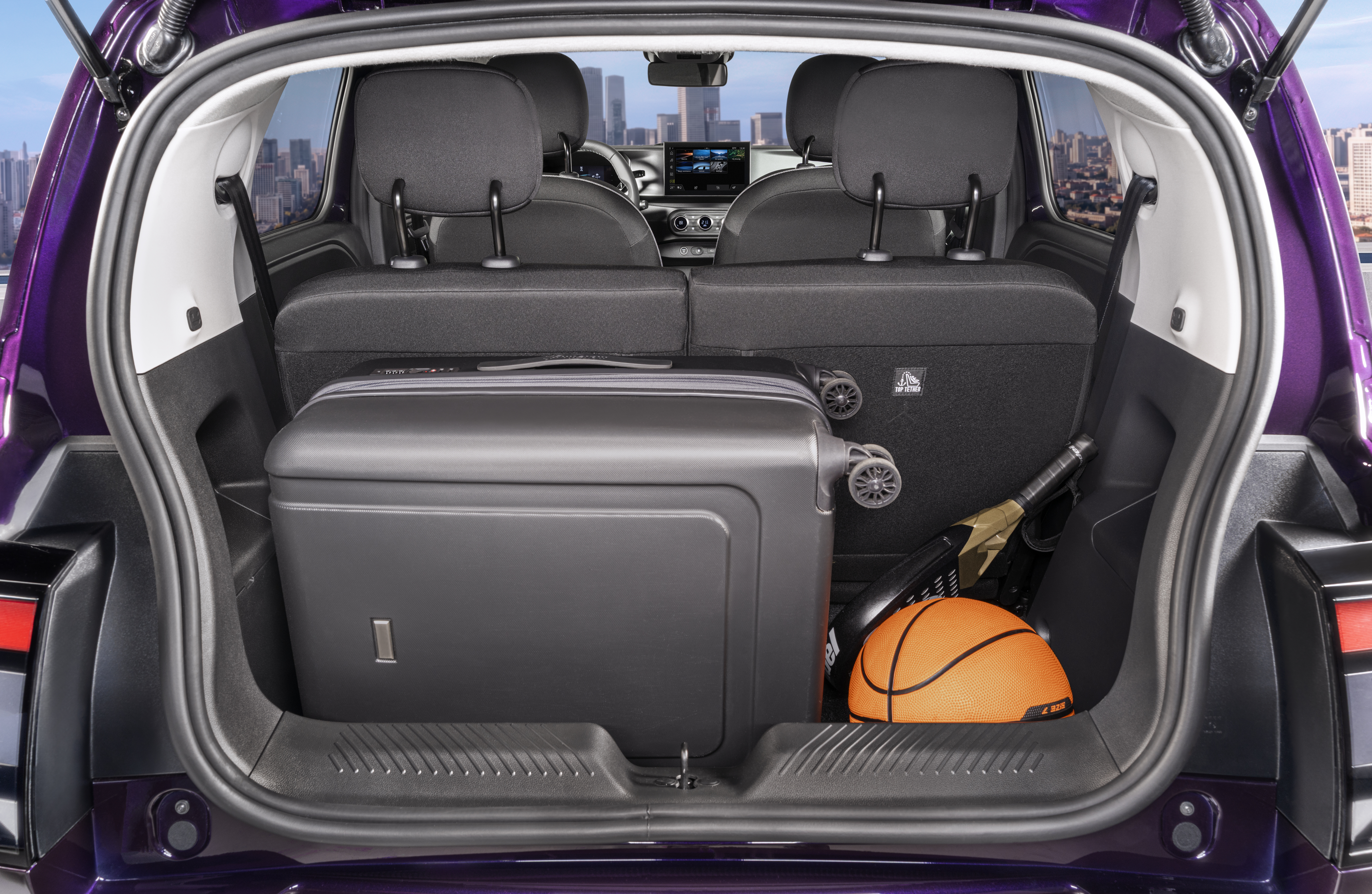
That gives the Pixo a potentially useful role for drivers who spend most of their time in towns and cities but still need to carry shopping, work equipment or other bulky items occasionally.
The compact dimensions should also make the car easier to place on narrow streets and into smaller parking spaces. A 9.9-metre turning circle is another feature that should suit urban driving.
Nissan tech in a Renault-developed car
Underneath the distinctive Nissan styling, the Pixo has a close relationship with the Renault Twingo E-Tech electric.
Nissan says the Pixo was developed in partnership with Renault and will be produced at Renault's Novo Mesto facility in Slovenia. Renault had previously confirmed that it would develop and produce a Twingo derivative for Nissan, with Nissan responsible for the design.
The technical overlap is significant. Both cars use a small LFP battery and 60kW electric motor, although the final Nissan specification should be treated on its own terms rather than simply as a rebadged Twingo.
For Nissan, the approach allows it to re-enter the smallest European car segment without developing an entirely separate vehicle from scratch. For buyers, the more important question will be where the Pixo lands on price.
Nissan has not yet announced UK pricing. The company says market-specific pricing and pre-order information will be announced from December, with customer deliveries scheduled to begin from early 2027.
Google built-in and Gemini included
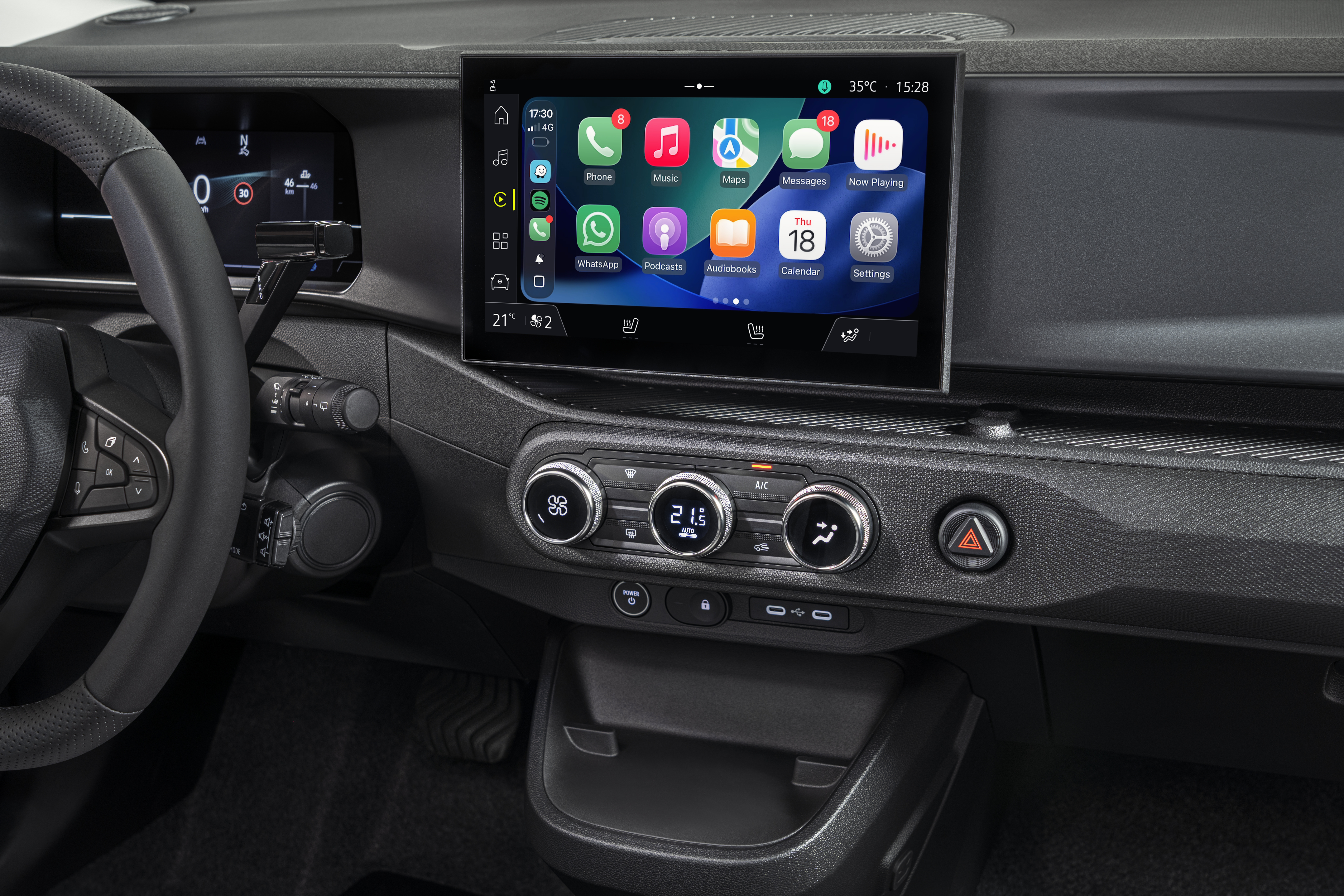
Technology is another major part of the Pixo's specification. Nissan says Google built-in will be available, including Gemini, with the system handling navigation, route planning and other voice-controlled functions.
There is also a MyNissan app for managing charging and vehicle functions, while Face ID can recognise drivers and load their personalised settings.
The cabin uses a 7-inch driver's display alongside a 10-inch central touchscreen. Nissan is also offering its e-Pedal technology, intended to allow drivers to accelerate and decelerate using the accelerator pedal for easier low-speed driving.
For a small city car, the combination of connected technology and relatively quick DC charging gives the Pixo a specification that goes beyond the basic urban runabout formula.
An important new entry point for Nissan's EV range
The Pixo expands Nissan's European electric line-up below the recently introduced electric Micra and Leaf. Its arrival also comes as manufacturers are putting renewed attention on smaller, more affordable EVs after several years in which the European market has been dominated by larger electric hatchbacks and SUVs.
For UK buyers, the eventual price will be particularly important. Nissan has not announced a figure yet, while several reports have pointed to a potential sub-£20,000 starting price. That should be treated as speculation until Nissan confirms UK pricing.
The Pixo could also be relevant to leasing customers and fleets that do not need the range, size or cost of a larger EV. For predominantly urban mileage, a small battery can be an advantage as well as a limitation, because there is less battery to carry around and potentially less energy needed for each journey.
The other UK consideration is taxation. Electric cars are no longer exempt from Vehicle Excise Duty, with zero-emission cars registered from 1 April 2025 paying £10 for the first year and the standard £200 rate thereafter under the 2026-27 rates.
Nissan's new Pixo therefore arrives with its key ingredients already confirmed, but one of the most important pieces is still missing. Once UK pricing and full market specifications are announced in December, it will be clearer how the small electric Nissan fits into the increasingly competitive affordable EV market.
Want more EV news and useful updates for drivers and fleets? Sign up to the DriveElectric newsletter for the latest stories.