




How much does it cost to get an electric charger installed at home?
Whether you already have an electric vehicle (EV) or you’re looking to get one for the first time, home charging is an important factor to consider. To do so, you’ll need a suitable home charger installed at your home. But what is the electric car charger installation cost? And how much does it cost to charge your electric car once your charger is installed?
Home charging is the most convenient way to charge, and on an overnight EV tariff, it’s by far the cheapest. Here’s what you can expect to pay in 2026, what can push the price up, and how to bring it down.
How much does a home charger cost?
A standard 7kW home charger typically costs around £800 to £1,200 in 2026, including the charger itself and installation. Prices tend to be a little higher in London and the South East.
Where you land in that range mostly depends on the charger you choose and how straightforward your installation is. A more complex job can cost £1,500 or more.
What’s included in a standard installation?
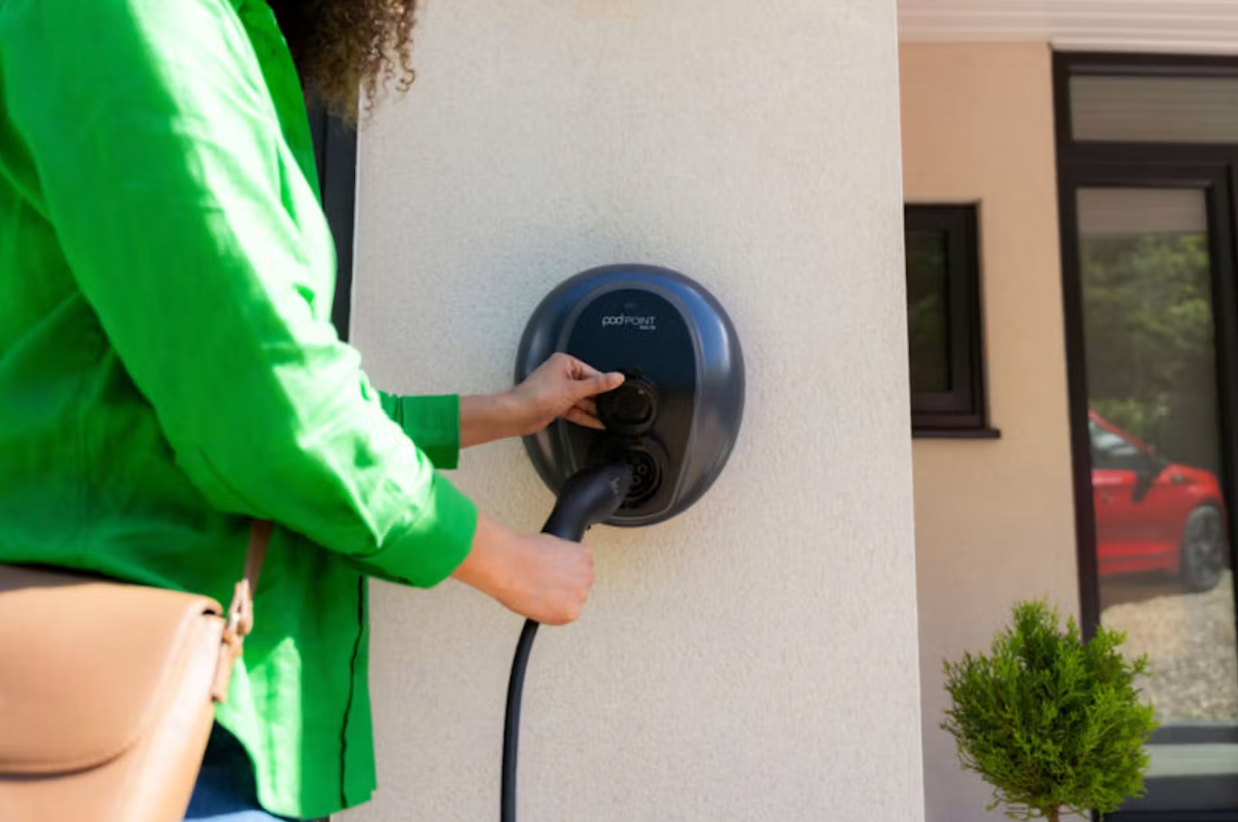
A standard quote usually covers:
- the charger unit
- a dedicated circuit from your fuse box, typically up to around 10 metres of cable
- the safety devices your installation needs
- testing, certification and notifying your electricity network operator
- setting up the charger and its app
What can add to the cost?
Every home is different, so a good installer will check your property before giving you a final price. The most common extras are:
- A longer cable run. If your parking space is a long way from your fuse box, extra cable and labour add to the cost.
- A fuse box upgrade. Older consumer units sometimes need replacing to safely add a charger, which can add a few hundred pounds.
- Earthing work. Some properties need extra earthing equipment for the charger.
- Groundworks. Running a cable under a driveway or path means digging, which costs more than a cable along a wall.
- A faster charger. A 22kW charger needs a three-phase electricity supply. That’s rare in UK homes and expensive to add, and most drivers don’t need one.
It’s always worth getting a couple of quotes, and asking each installer exactly what’s included.
Can I get a grant for a home charger?
It depends on where you live:
- Renters and flat owners with private off-street parking can get a government grant of up to £500 towards a charger and installation.
- Households with on-street parking can get up to £500 towards a charger and an approved cross-pavement cable channel, if their council allows it.
- Homeowners with a driveway can’t currently get a government grant, but energy suppliers and charger brands sometimes run their own offers.
Both government grants run until 31 March 2027. You apply for them yourself once you’ve bought your charger, so check the eligibility rules on GOV.UK before you book.
Is a home charger worth it?
For most drivers, yes, because the savings on charging soon add up. Topping up a 60kWh battery from empty would cost roughly:
| Where you charge | Cost of a full charge (60kWh) |
|---|---|
| At home on an EV tariff (8p per kWh) | £4.80 |
| At home at the price cap rate (26.32p per kWh) | £15.79 |
| Public rapid charger (77p per kWh average) | £46.20 |
Based on Ofgem’s price cap rate for October to December 2026, and Zapmap’s August 2026 average for rapid and ultra-rapid charging. Rates vary by tariff and network.
Charging at home on an EV tariff can cost a fraction of public rapid charging, so a home charger can pay for itself surprisingly quickly if you’d otherwise rely on public chargers. Find out more in our guides to how much it costs to charge an electric car, and how smart charging helps you get the cheapest electricity rates.
Ready to go electric?
We’ve been helping drivers make the switch since 2008. Bowse our electric car lease deals or get in touch for honest, expert help on choosing the right EV and charging setup for you.
Last updated: Nov 2026
Published: Aug 2020
Home charger cost FAQs
Are there any ongoing costs after installing an EV charger?
Very few. Most home EV chargers need little maintenance beyond keeping them clean, checking the cable for damage and letting the app install software updates. Your main ongoing cost is the electricity you use, which is where a good EV tariff makes the biggest difference.
For more information on charging costs take a look at our charging guide: How much does it cost to charge an EV?
Can I install an EV charger myself to save money?
No. An EV charger needs its own circuit from your fuse box, so it must be installed and certified by a qualified electrician. A DIY job could be unsafe, invalidate your home insurance and stop you claiming a grant.
Can I use a 3-pin plug instead of installing an EV charger?
Yes, you can charge an EV from a 3-pin plug using the cable that comes with many cars, but it’s very slow. It’s fine as an occasional back-up, but a dedicated home charger is faster and safer, and makes it easier to use cheaper overnight rates.
Do I need planning permission for a home EV charger?
Do I need planning permission for an EV home charger?
Most home EV chargers in England don’t need planning permission, but there are exceptions for listed buildings and some conservation areas. Our home charger installation guide explains more: how to get an electric car charger installed at home.
How much does it cost to install an EV charger at home in the UK?
Installing a standard 7kW EV charger at home typically costs around £800 to £1,200 in 2026, including the charger and installation. Extra work, such as a long cable run or a fuse box upgrade, can push the cost to £1,500 or more.