
Know your EV: the differences between 400V and 800V EV architecture
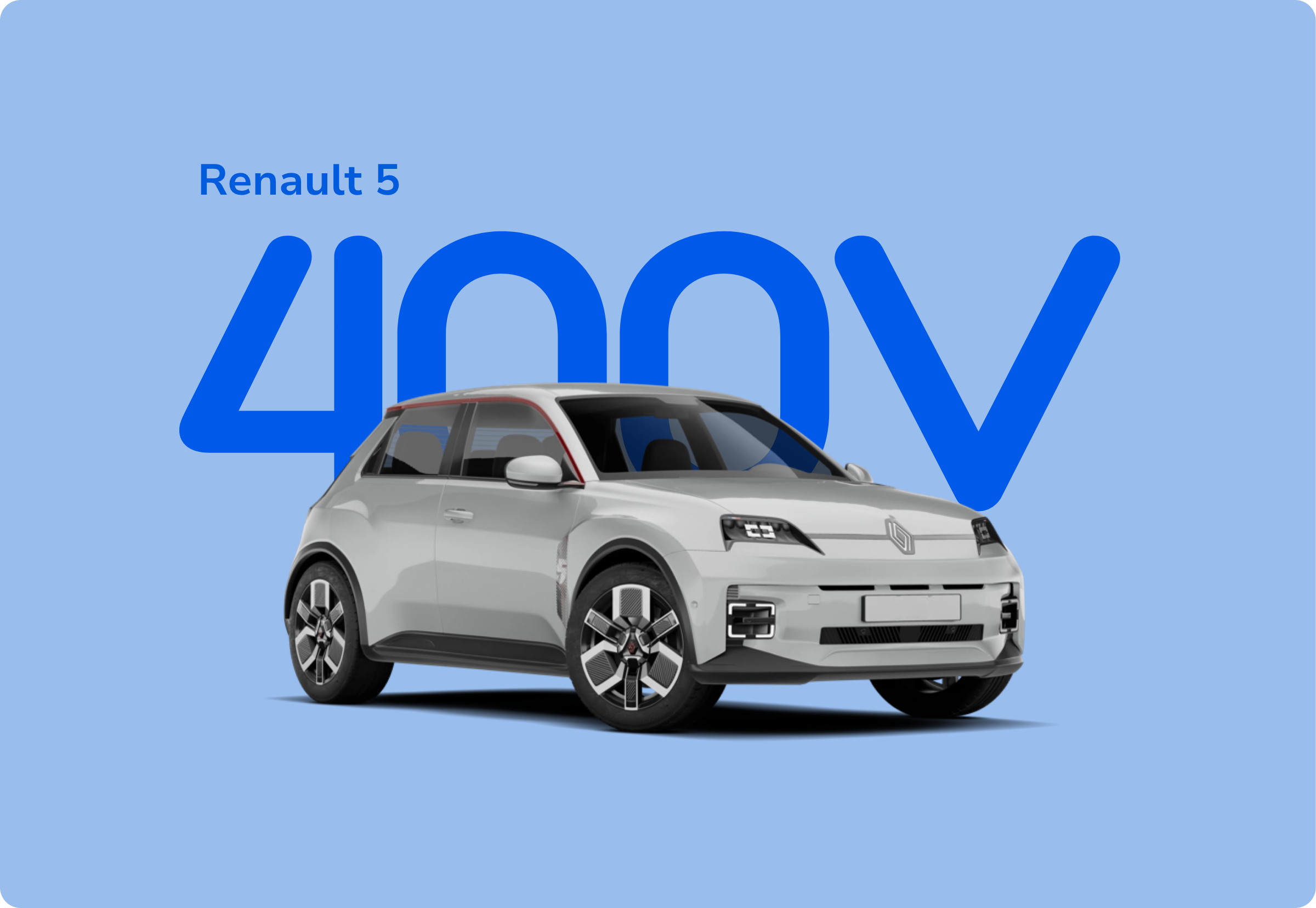
Let's take a look at the pros, cons and differences between 400v and 800v architecture and why its something to consider when leasing your next EV.

Enable your employees to save on brand-new electric cars with our hassle-free scheme.
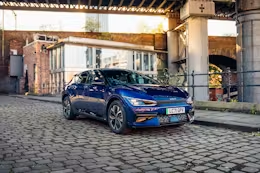
With the widest choice of pure EVs and flexible leasing offers, switching to electric has never been easier.
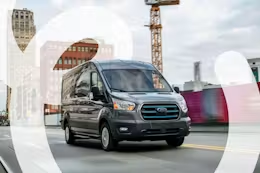
DriveElectric Fleet Management delivers complete operational oversight through one connected platform.
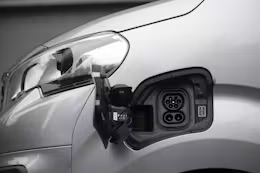
Gain speedy access to the best EVs available so that you can get on the road to net zero, fast.
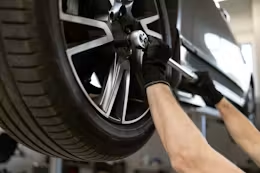
Explore Upkeep, our fleet vehicle maintenance solution that simplifies servicing, repairs, and compliance to keep your...

Explore unified fuel and EV energy management for mixed fleets in one connected platform.
Electric vehicle guides and resources packed with knowledge, so you can familiarise yourself with the basics of EV leasing, driving, and charging before your new electric vehicle arrives.
Regardless of where you are on your journey to Net Zero, we understand the subjects around zero tailpipe emission motoring. If you’ve never driven or owned an electric vehicle before it can seem like a big shift. But it isn't, and very soon you'll wonder why you didn't make the switch sooner.DriveElectric is here to make the transition as smooth and as easy as possible. With over 10 years’ experience in electric car leasing we’ve learned a lot along the way and we consider ourselves experts about all things EV!
Let's take a look at the pros, cons and differences between 400v and 800v architecture and why its something to consider when leasing your next EV.
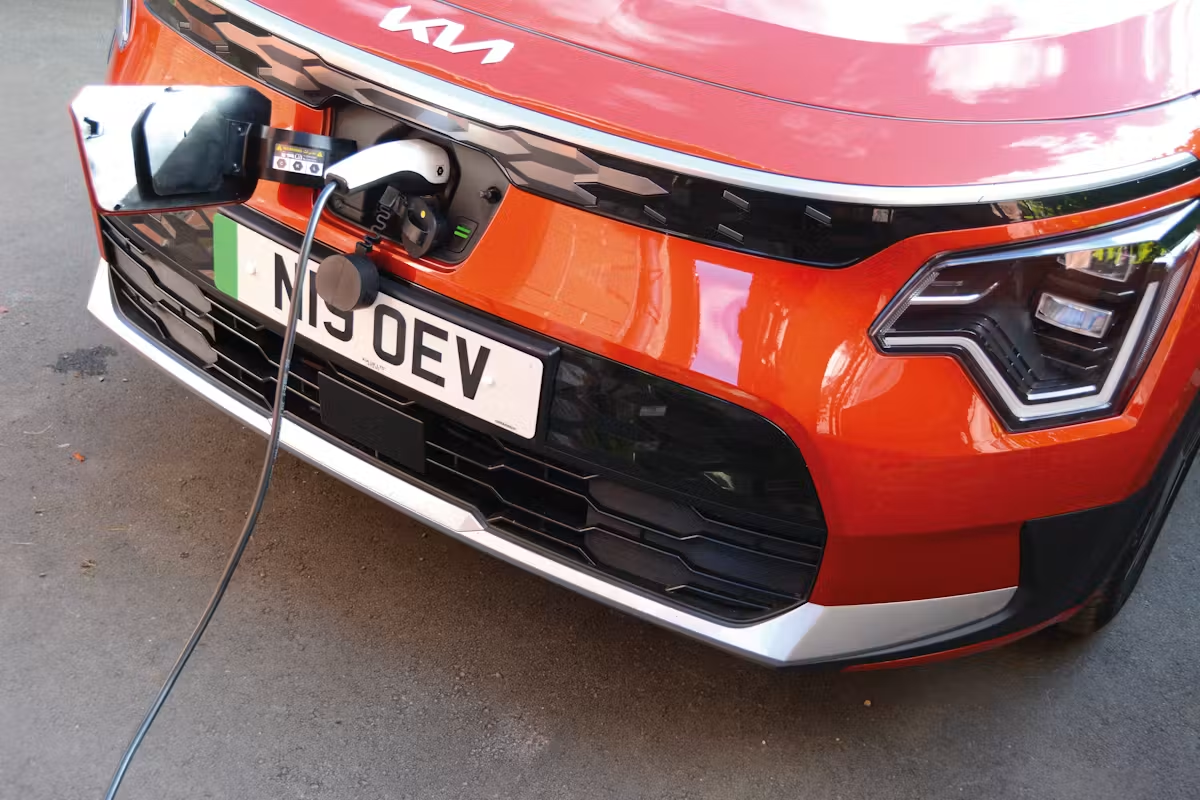
As well as the positive difference you can make to the environment by going electric, a big part of the attraction is the savings you can make on fuel. If you’re wondering how much it is to charge an electric car, read on for more information and some handy tips to maximise your EV’s potential.
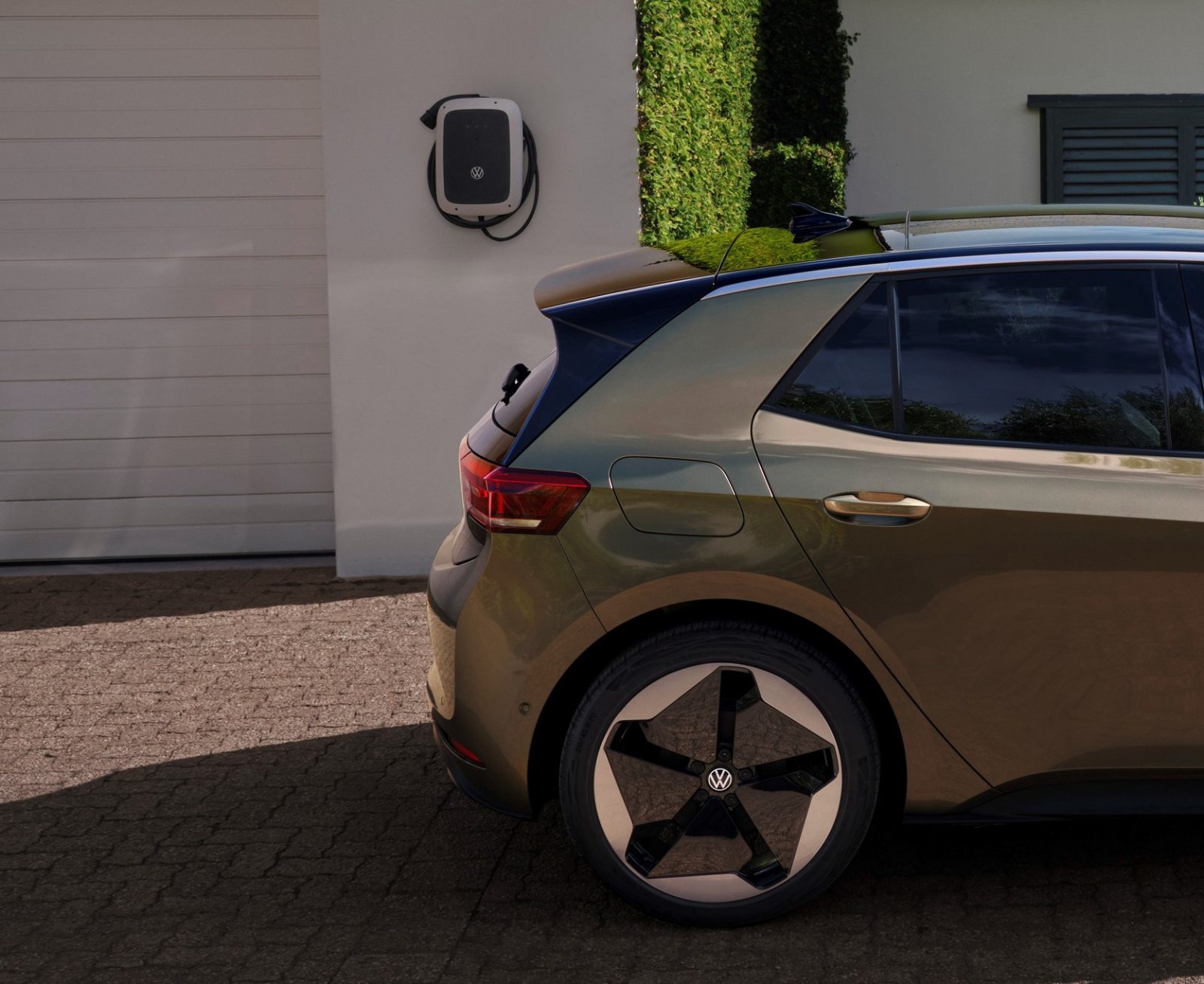
So, you’re going electric. That’s great news! Your Tesla , Hyundai , Kia or BMW is on its way and you can’t wait to get on the road. As well as your new greener credentials, one of the biggest changes to your daily life will be how you top up your car. Gone are the days of nipping to your local petrol station to fill up. Now you’ll be charging your car up with electricity.
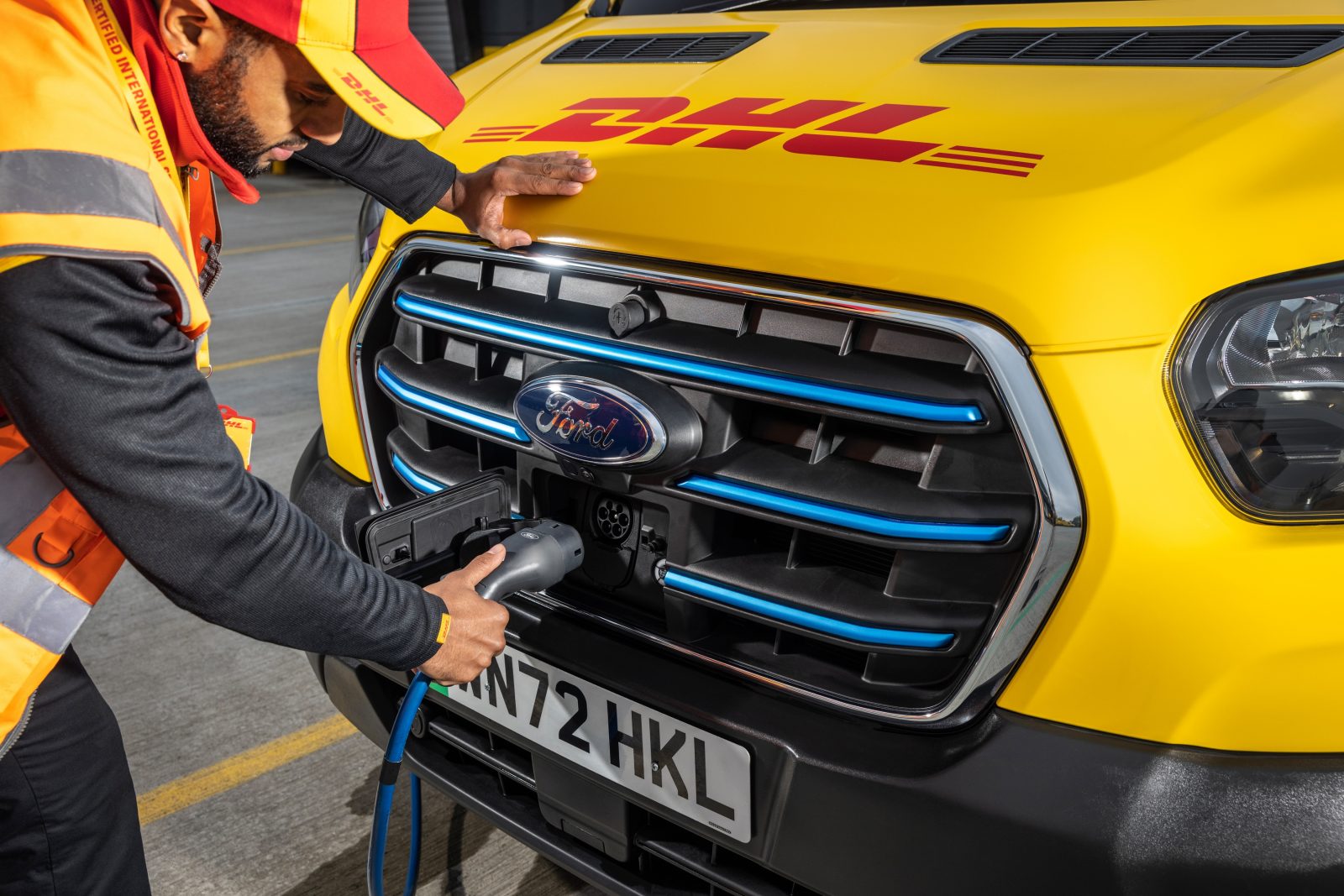
The demand for EVs is rapidly accelerating - with more people joining the EV revolution by the day. But with limited access to electric car home chargers being a common concern, many drivers are still reluctant to make the switch. Think you can relate? You’re in the right place. Here’s how you power upwithout a home charger.
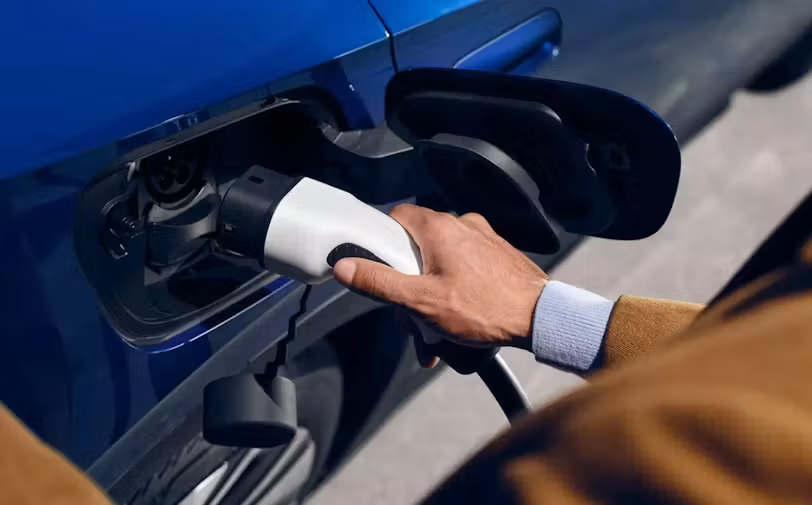
Below is everything you need to know about getting started with smart charging: what it is, the benefits, how it works and a step-by-step start guide.
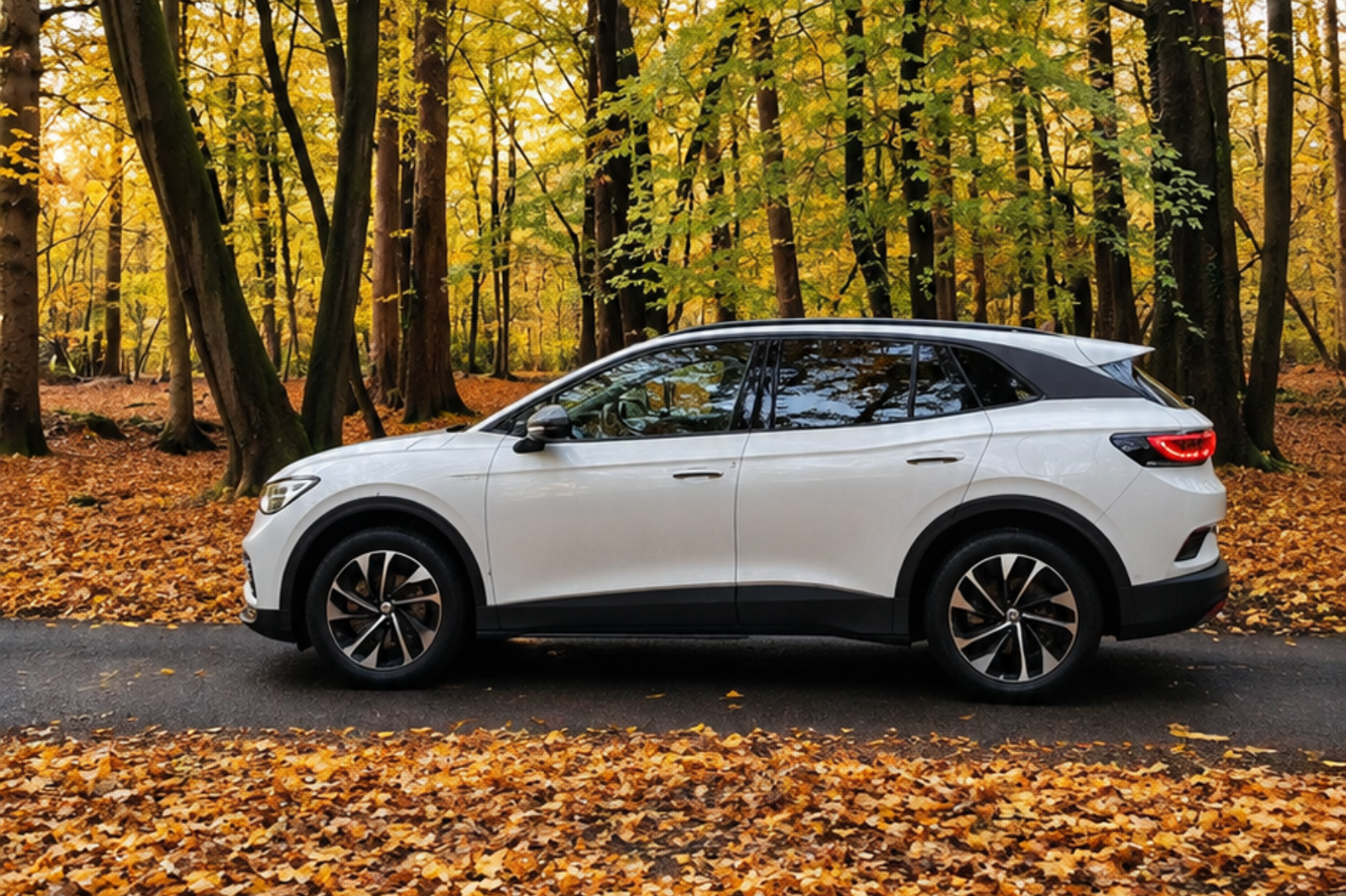
Autumn can bring some of the most unpredictable driving conditions of the year. Wet roads, fallen leaves, low sun and darker evenings all call for a little extra care behind the wheel.

The arrival of foggy weather affects road conditions and visibility, making driving challenging and potentially hazardous. We’ve created this helpful guide to assist drivers in staying safe when driving during this type of weather.
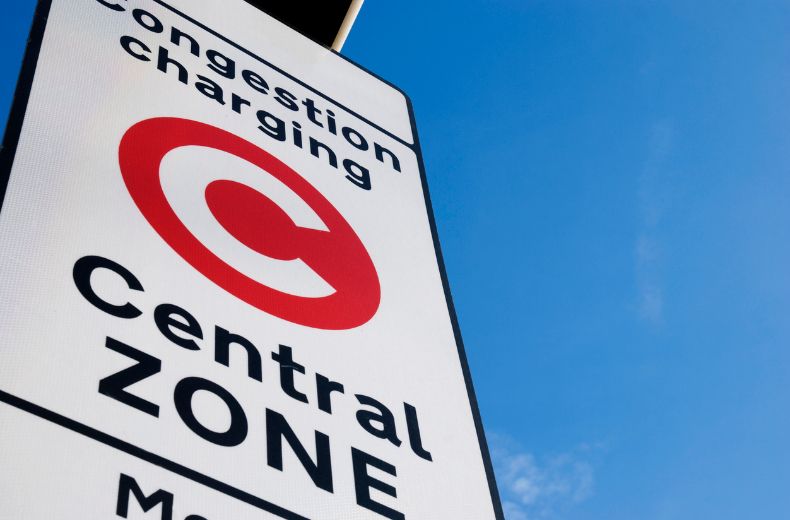
There are plenty of reasons why electric vehicles (EVs) are the future of motoring both in the UK and around the world. You only have to look to the London Congestion Charge for proof of that. Faced with the rising threat of climate change, one of the government’s first major steps to combat dangerous levels of carbon dioxide emissions in the country was introduce the Congestion Charge.
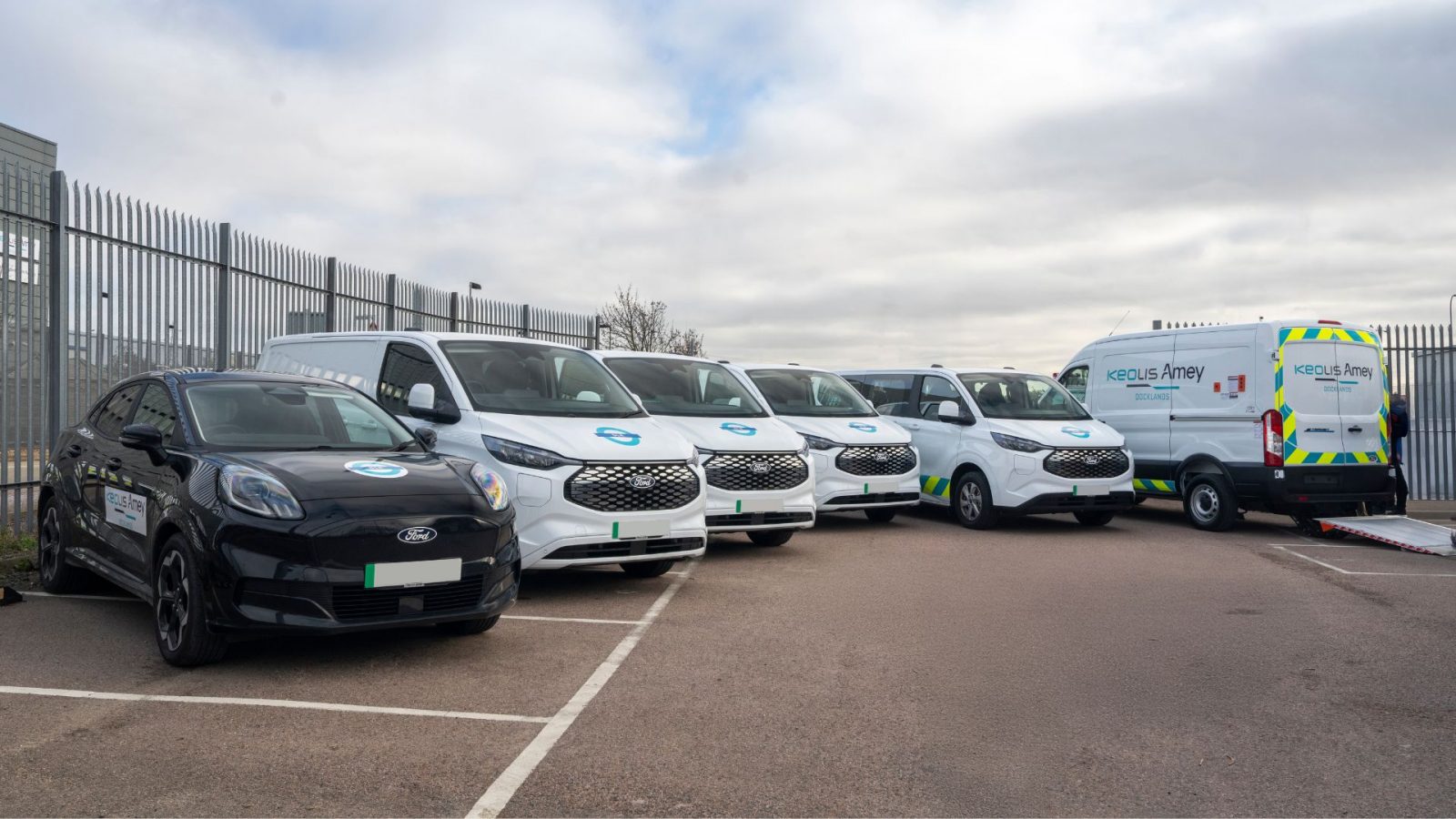
If you’re a business with a fleet, fleet management unlocks efficiencies and cost savings. But what is fleet management and how does it work? Find out now!
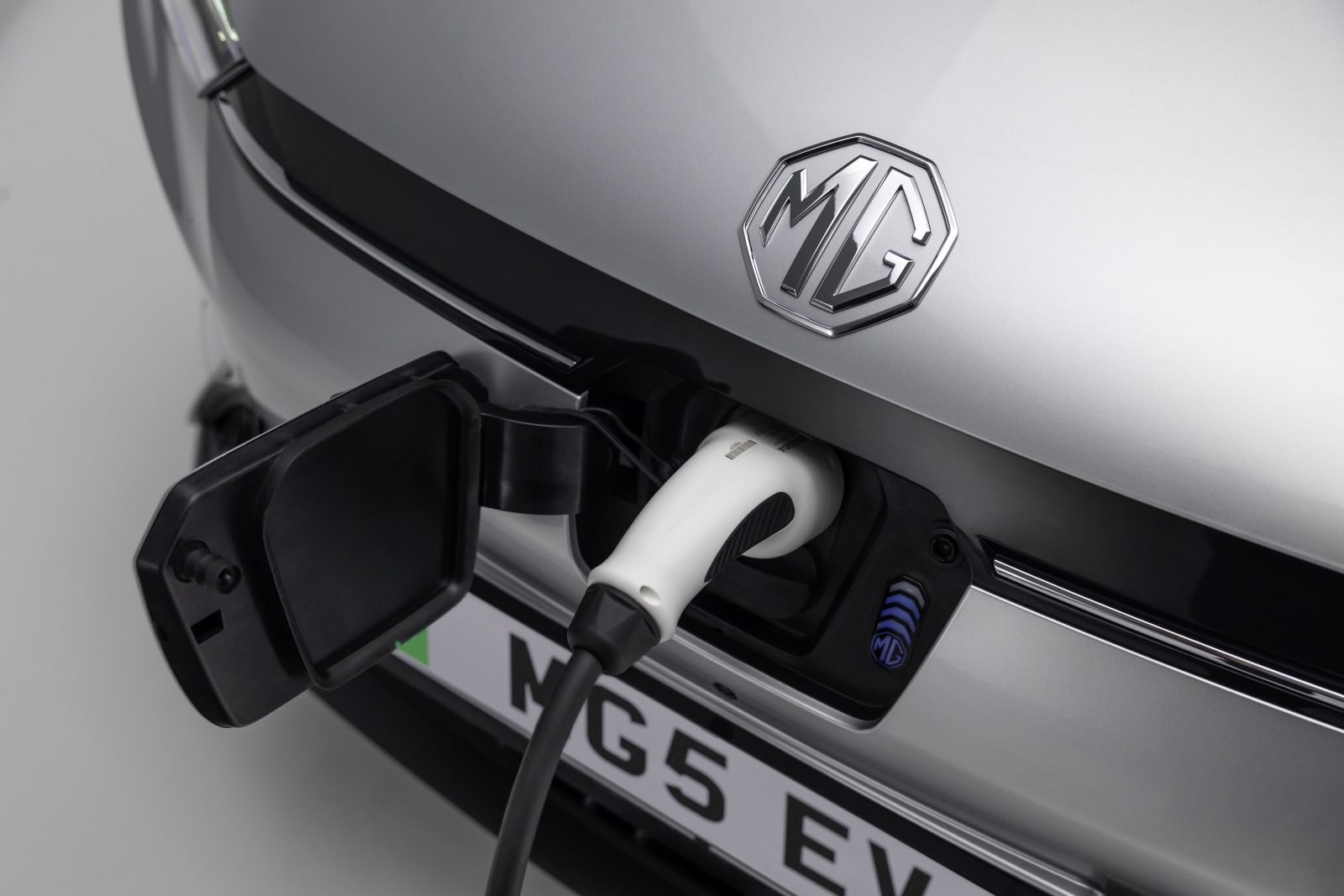
When the cold weather bites and the snow falls, follow our tips to get the most miles out of your electric vehicle