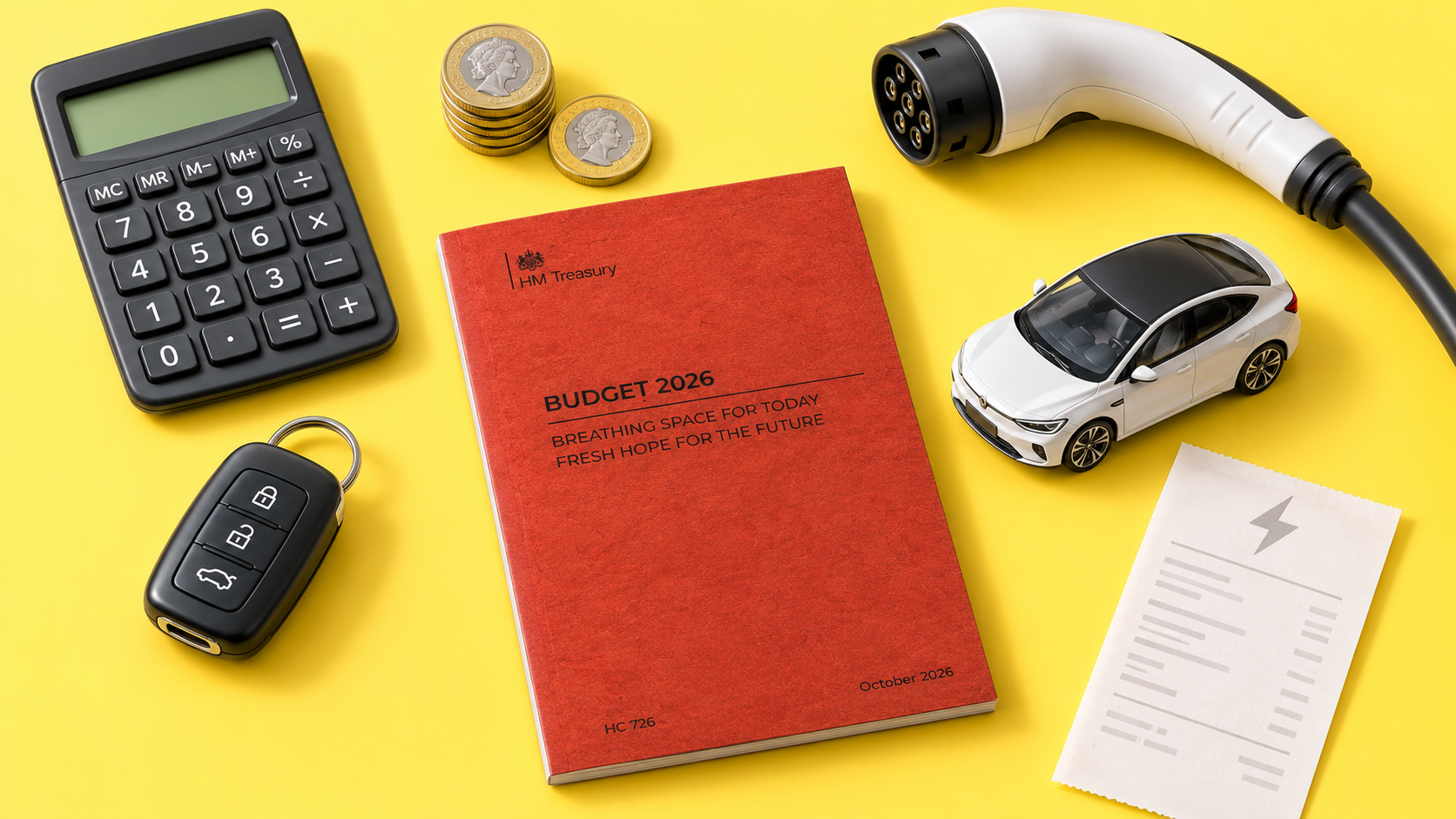

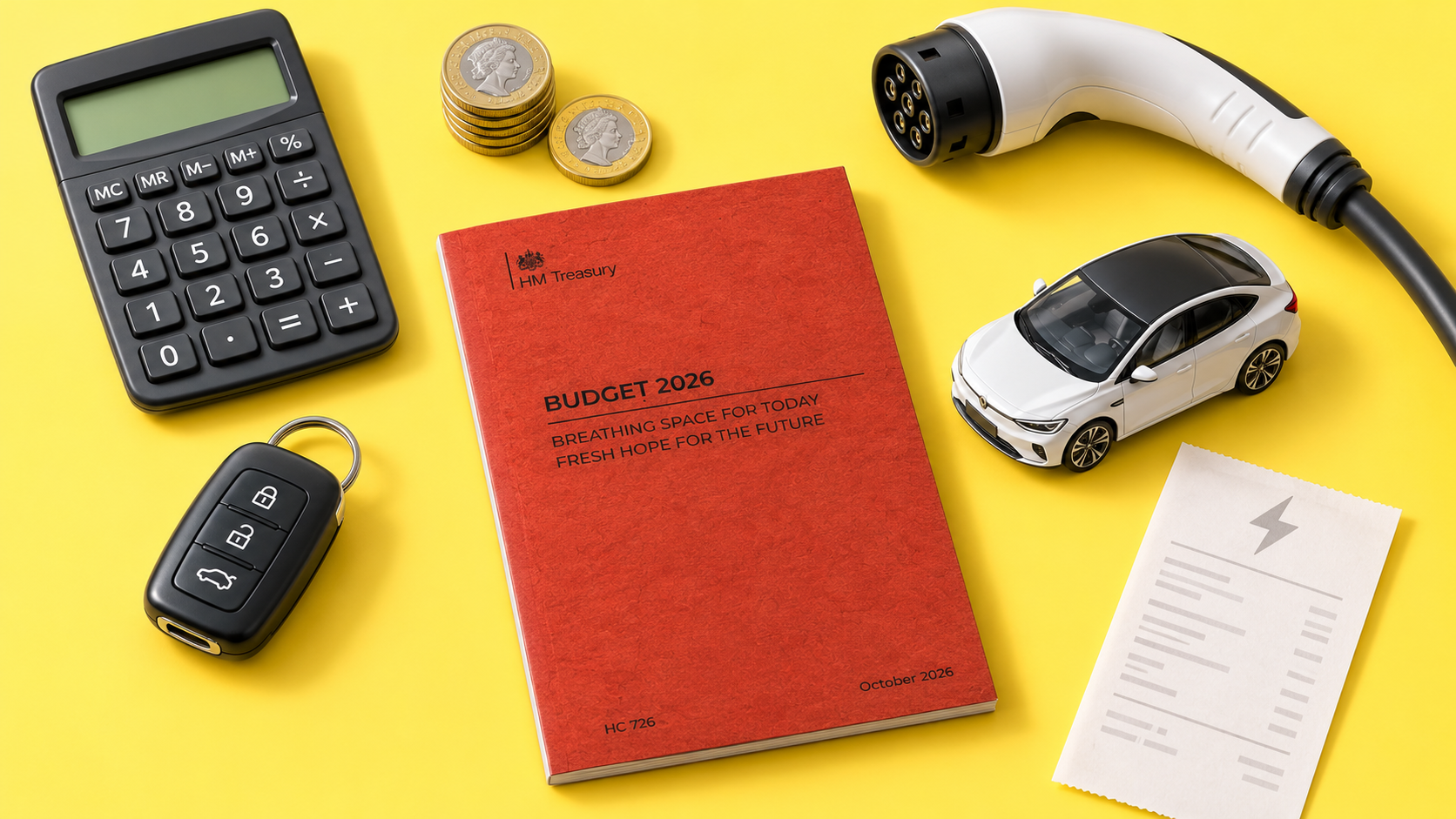

Energy was the centrepiece of this year's Budget. Since the effective closure of the Strait of Hormuz in February, energy prices have climbed sharply. Inflation reached 3.5% in September, and the Office for Budget Responsibility expects it to peak at 3.8% in early 2027.
The government's response is a mix of help now and longer-term changes to how bills are made up. For anyone charging an electric car at home, the cost of electricity is the single biggest factor in running costs, so it's worth knowing what's changing.

Help with your bills now
VAT-free electricity extended to July 2027
The temporary 0% VAT rate on household electricity, introduced on 1 October 2026, now runs three months longer, to 1 July 2027. The Treasury expects it to take around £50 off the annual price cap in April 2027. Northern Ireland is expected to get comparable relief from April 2027.
The saving applies to every unit of electricity you use, so the more you use, the more you save. That includes everything that goes into your car on a home charger.
A £100 Household Energy Payment
From January 2027, households in council tax bands A to D in England will receive £100, paid through local councils. It covers up to 20 million households, and the devolved governments receive a share of the funding. An extra £100 million goes to councils to help households hit hardest by rising bills.
Help for businesses
- 10,000 energy-intensive manufacturers get a 20-25% electricity discount from April 2027, including a back payment for 2026-27.
- Climate Change Levy rates on electricity are frozen from April 2028.
Changes to how bills are made up
The Budget also set out longer-term changes aimed at bringing costs down for good.
- Gas standing charges to go. Ofgem has been asked to abolish them, aiming for the end of 2027 or soon after. They currently average £108 a year and are paid even by households that use very little gas. The cost will move onto gas unit rates instead.
- Electricity standing charges will be reformed, with details due next year. This is one for EV drivers to watch. If costs move from the daily standing charge onto the price per unit, households that use more electricity, including those charging a car at home, could end up paying more.
- No new policy costs on bills until a new Cost Control Framework is in place at the 2027 spending review. A planned levy on gas bills to fund hydrogen projects has been scrapped.
- Breaking the link between gas and electricity prices. A consultation on fixing the prices paid to some renewable generators aims to protect bills from volatile gas markets. Gas set the wholesale electricity price around 60% of the time in 2025, and the government wants that to keep falling.
- An Energy Debt Circuit Breaker to tackle household energy debt, expected to save all billpayers around £30 by 2030.
The Budget's own line is that cheaper electricity will speed up electrification across the economy. For households with an EV, a heat pump or both, that's the change that matters most, though most of it won't arrive until 2027 and beyond.
Make your own electricity: solar, batteries and Warm Homes loans
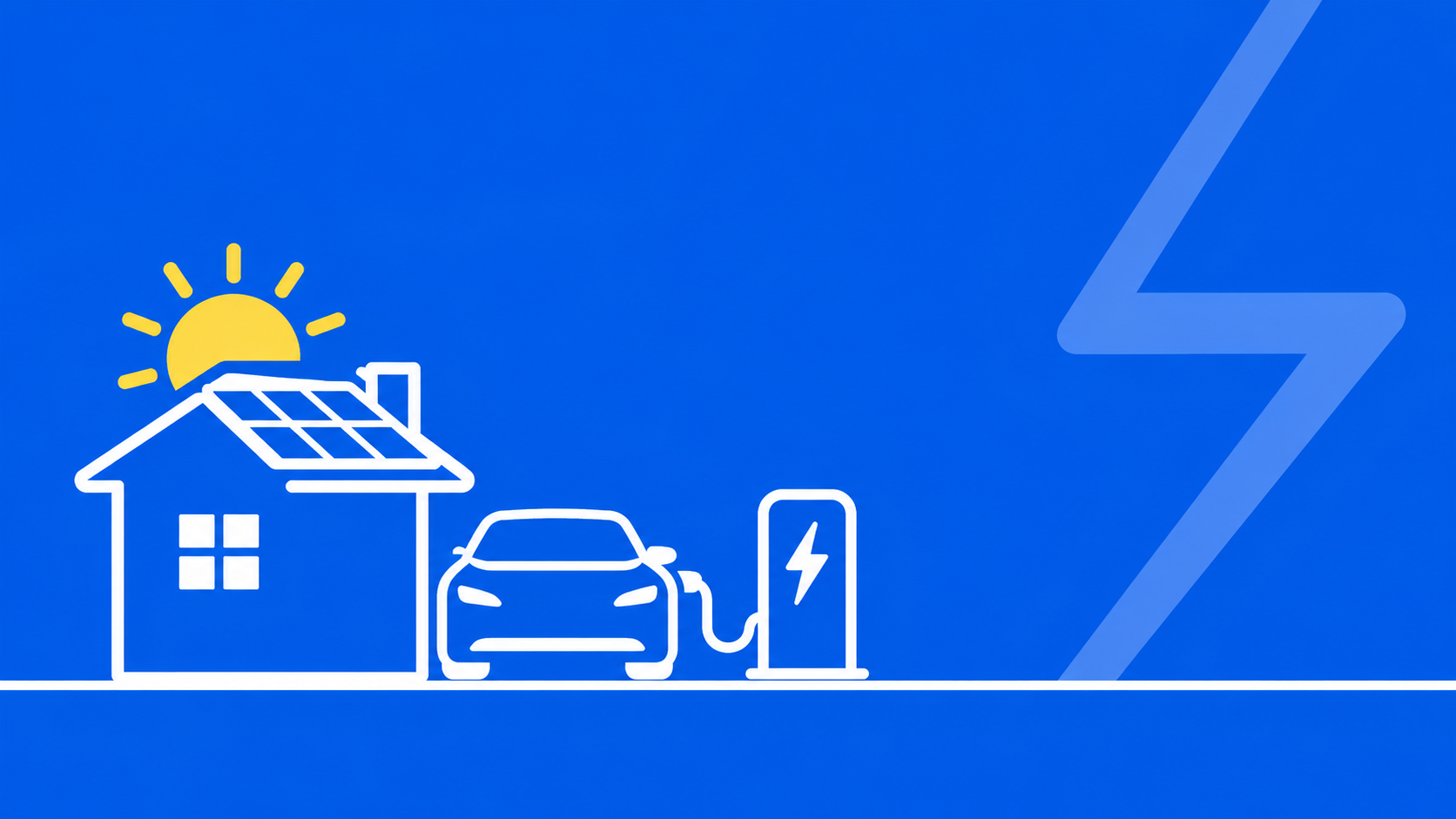
The surest way to protect yourself from rising energy prices is to generate some of your own. Solar panels on the roof, a home battery to store what you generate (or to charge up on a cheap overnight tariff) and, for EV drivers, a car soaking up the surplus is a combination that can bring down both household bills and driving costs.
The upfront cost is the main barrier, and that's what the new Warm Homes Loan Scheme is designed to tackle. Confirmed on 26 October and referenced in the Budget, it offers Treasury-backed loans for clean energy upgrades. According to MoneySavingExpert:
| What you can borrow for | Amount (£) you can borrow up to |
| Solar panels | £15,000 |
| Battery storage | £15,000 |
| Air-to-water heat pump | £20,000 |
| Air-to-air heat pump | £10,000 |
| Ground source heat pump | £35,000 |
- Because the Treasury partly backs the loans, lenders can offer rates up to five percentage points below their usual rate, and some households may be able to borrow at 0%.
- Terms run from three years to up to 30 years in some cases.
- Ten lenders are taking part at launch, including Homeserve with E.ON, Sunsave, Tandem Bank and The Money Co-op.
- Loans can be combined with the Boiler Upgrade Scheme, which offers up to £9,000 towards a heat pump in England and Wales.
Before you apply
Interest rates, eligibility and application dates haven't been confirmed yet. MSE also points out that some products are secured loans, that long terms can add a lot of interest, and that you should compare the price of the installation itself, not just the loan. Be wary of anyone cold-calling and claiming to be part of the scheme.
It's also worth knowing that the Budget cut £1 billion of capital grant from the wider Warm Homes Plan. Funding for low-income households and social housing, delivered by councils and mayors, is largely protected, but for most homeowners support now comes mainly as cheaper loans rather than grants. And the 0% VAT rate on home solar panels isn't being extended beyond March 2027, so if you've been thinking about solar, getting quotes sooner rather than later could pay off.
What it means if you drive electric
Home charging is already the cheapest way to run an EV, and this Budget makes it a little cheaper still. A few things are worth doing now:
- Make the most of VAT-free electricity. Until 1 July 2027, every unit you charge at home is VAT-free. Pair it with a smart EV tariff and charge overnight to keep your cost per mile as low as possible.
- Look at solar and a battery. Generating your own electricity and storing it for the car or the evening is the best long-term protection against price rises. Get quotes before the 0% VAT on solar ends in March 2027, and compare Warm Homes loan offers carefully once rates are published.
- Keep an eye on standing charge reform. The details due next year could change how bills are split between standing charges and unit rates, which matters for higher-use households.
- No driveway? The Budget also announced £100 million to cut the cost of local, lower-powered public chargers from spring 2027.
For the full picture on pay-per-mile road tax, company car tax and what the Budget means for fleets and vans, read our guide to [LINK: what Budget 2026 means for EV drivers, fleets and van operators].
Thinking about going electric? Browse our latest special offers, or get in touch and our team will be happy to help.
Budget measures are subject to legislation, and details may change as the Finance Bill passes through Parliament. Warm Homes Loan Scheme details are still to be confirmed by the government and participating lenders.

Sources
- HM Treasury, Budget 2026 (HC 726), 28 October 2026
- MoneySavingExpert: free or cheap loans for solar panels, batteries and heat pumps, 26 October 2026
- Carbon Brief: UK budget 2026, key climate and energy announcements (Warm Homes Plan, solar VAT)
- Ofgem: energy price cap unit rates and standing charges