



HMRC updated its guidance on this last month on the 12 August 2026, so this felt like a good moment to lay out where things stand now.
The good news is that in most cases, the answer is no. Here's what HMRC actually says, broken down by scenario.
Charging at work
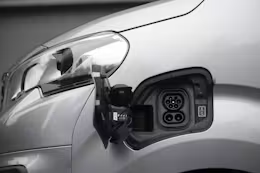
If your company EV is charged at a charging point at work, there's no taxable benefit at all. Electricity isn't treated the same way as fuel, so the usual Fuel Benefit Charge doesn't apply, and the benefit is specifically excluded under the rules that cover taxable cars.
Your employer pays for a home charge point to be installed
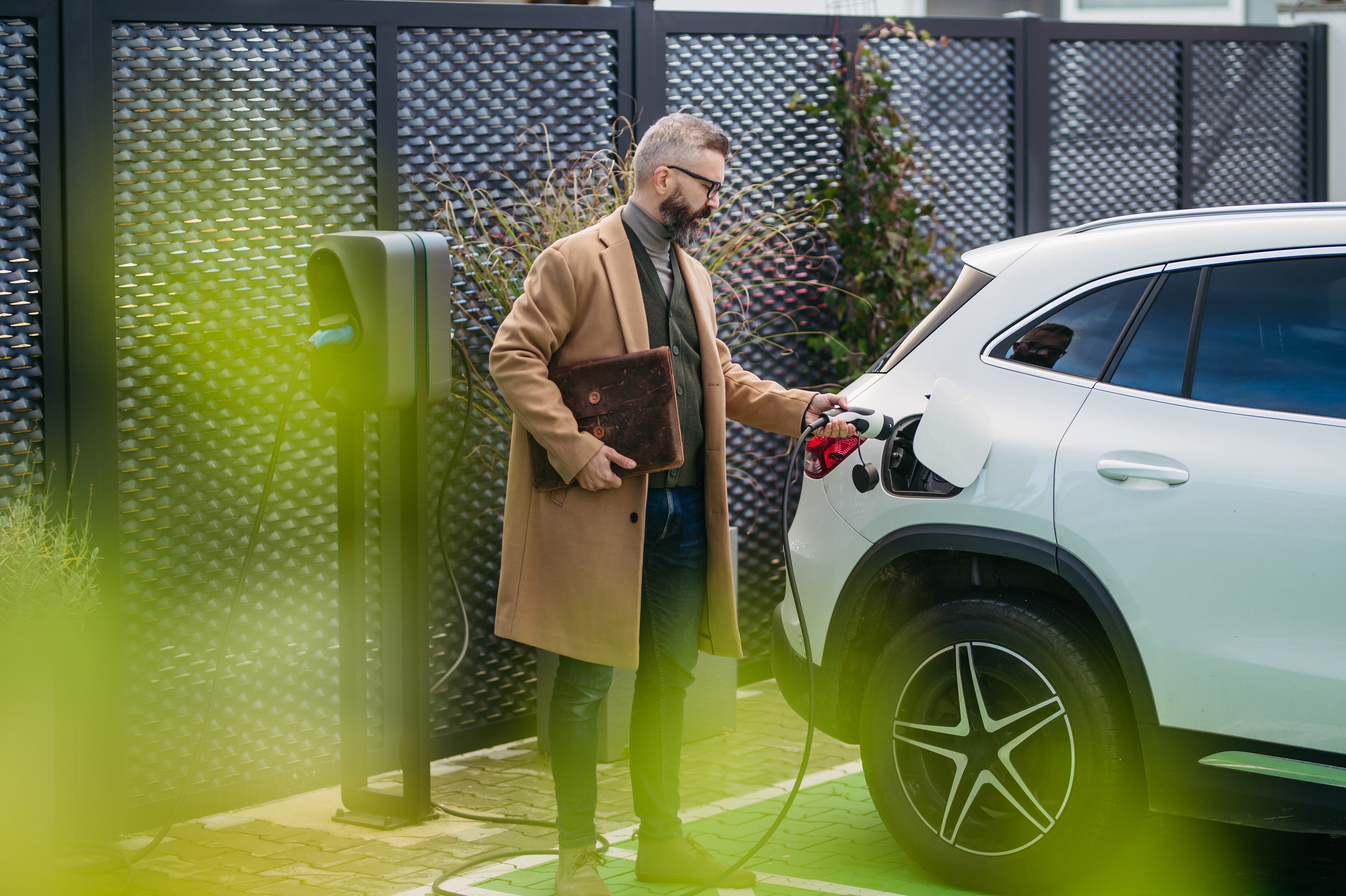
Again, no taxable benefit. If your employer covers the cost of installing a charging point at your home for your company car, that's specifically exempt.
Your employer reimburses you for home or public charging costs
This is the one that catches people out, so it's worth being precise. Since April 2018, if your employer reimburses you for the electricity used to charge your company car at home or at a public charging point, there's no separate tax charge under the benefits code. This applies whether the car is used for business, private, or mixed mileage.
The one condition to be aware of: the reimbursement has to be specifically for charging that company car. Employers need to keep this clearly ring-fenced to stay within the exemption.
Your employer provides a charge card for public charging
Same result: no taxable benefit, for the same reasons as above.
Mileage and the Advisory Electric Rate
If you're being reimbursed based on mileage rather than actual charging costs, HMRC's Advisory Electric Rate (AER) is the reference point. Employers using AMAP rates for business travel, and drivers can claim Mileage Allowance Relief if their employer doesn't use AMAPs or pays below the published rate.
What about employees charging their own car?
The rules are different here, and less generous. If you're using your own EV for business and charge it at work, or your employer reimburses your charging costs, this can be treated as a taxable benefit depending on how the car is used and how the reimbursement is calculated. If you're not receiving AMAPs, Mileage Allowance Relief may still be available. It's a more involved area, so if this applies to you or your team, it's worth checking your specific situation.
The takeaway
For the vast majority of company EV drivers, whether through a straightforward company car or salary sacrifice, home and public charging can be reimbursed without creating a tax headache, provided it's handled correctly and kept specific to the vehicle. That's one less thing to worry about when making the switch to electric.
This article reflects HMRC's Employment Income Manual guidance as updated on 12 August 2026. This is general information and isn't tax advice. Rules can and do change, so if you're unsure how this applies to your business or your own circumstances, it's worth checking directly with HMRC or your accountant.
Get in touch if you'd like to talk through how this fits with your fleet or Salary Sacrifice scheme or join our mailing list to stay in the loop with EV news in general.