When everyday cars go electric: Volkswagen reimagines the Polo
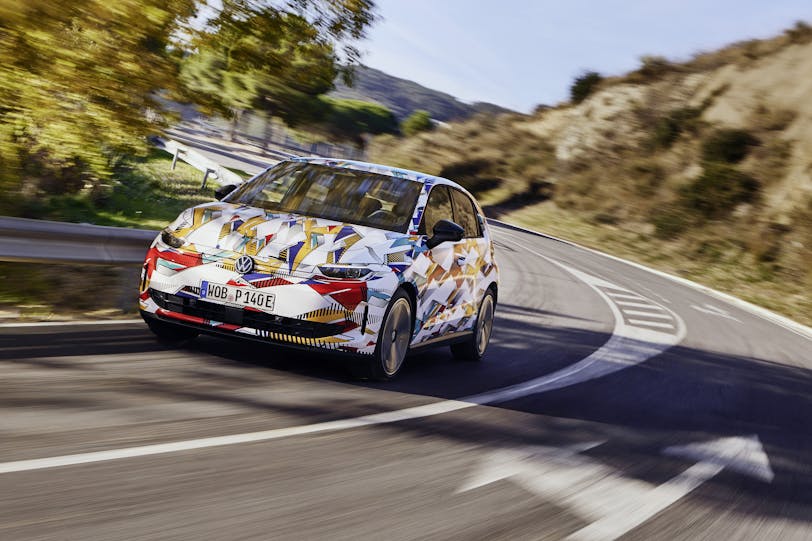
For many drivers in the UK, the Polo has always been a familiar sight, compact, practical and easy to live with. Now, Volkswagen is preparing to bring that same thinking into the electric age with the upcoming ID. Polo, a small electric car designed to make EVs more accessible, practical and affordable.
With production-ready prototypes now completing final testing ahead of a world debut in 2026, the ID. Polo marks an important moment for Volkswagen, and for drivers looking for a straightforward electric alternative to traditional small hatchbacks.
A familiar name, reimagined for electric driving
The ID. Polo is the first electric model in Volkswagen’s ID range to carry one of its most recognisable names. It’s also the first of four new electric models planned in the small and compact car segments from 2026 onwards.
Rather than chasing radical design for its own sake, Volkswagen has focused on what made the original Polo so popular: intuitive controls, solid build quality and value for money. The result is a compact electric car that feels approachable, especially for drivers moving to an EV for the first time.
Choice where it matters
At launch, the ID. Polo is expected to offer a range of options to suit different driving needs:
- Three power outputs: 85 kW, 99 kW and 155 kW
- Two battery sizes
- A claimed range of up to 280 miles
- A sportier ID. Polo GTI version is also planned to follow later in 2026.
For everyday use, Volkswagen is placing an emphasis on efficiency and affordability. Entry-level versions will use lithium iron phosphate (LFP) batteries, while higher-powered models will feature a larger battery offering longer range and faster rapid charging.
Small on the outside, surprisingly spacious inside
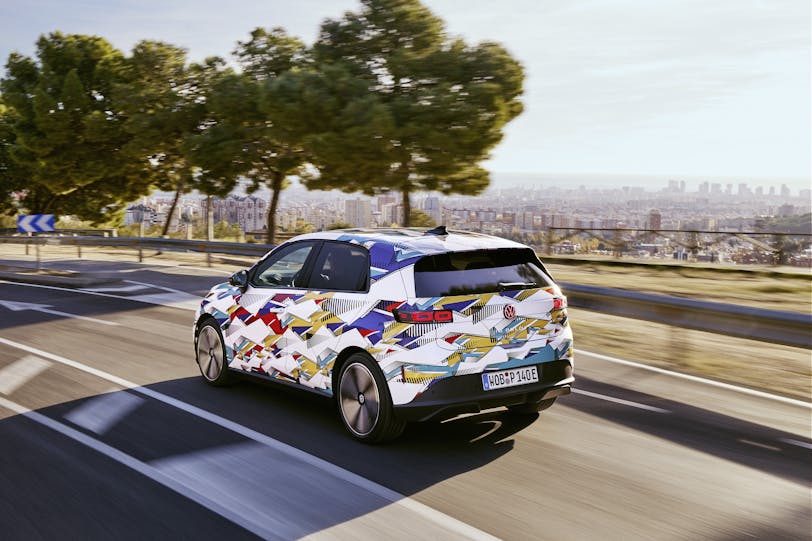
Thanks to its front-wheel-drive layout and the latest version of Volkswagen’s MEB+ electric platform, the ID. Polo makes clever use of space. Although similar in size to today’s Polo, it offers noticeably more room inside.
Five adults can sit comfortably, and the boot has grown to 435 litres, more than many drivers would expect from a car in this class. Fold the rear seats down and there’s enough space for weekend trips, family life or business use on the road.
Designed for real-world driving
Volkswagen says the ID. Polo has been engineered to drive like a car from the class above, with confident handling and a refined feel, something that will matter to drivers spending long hours behind the wheel.
The car also brings next-generation driver assistance systems into the small electric car segment. Enhanced Travel Assist is designed to support motorway driving with lane guidance, assisted lane changes, and (for the first time in this model) traffic light and stop sign recognition.
Making electric mobility more accessible
Volkswagen has confirmed that the ID. Polo will be positioned as an entry-level electric car, with pricing expected to start at around €25,000 in mainland Europe. UK specifications and pricing are yet to be announced, but the intention is clear: to lower the barrier to electric driving.
From a leasing perspective, this focus on affordability, efficiency and practicality could make the ID. Polo a strong option for both personal EV leases and company car fleets, particularly for urban and regional use.
Built through collaboration
The ID. Polo is the result of collaboration across Volkswagen Group brands, with SEAT and CUPRA leading development and production planned at the Martorell plant in Spain. This shared approach allows new electric technologies to reach the market more quickly, and at a lower cost.
Why do so many electric cars share platforms?
-
If you’ve noticed familiar electric cars from different brands sharing similar technology, that’s no accident.
Many manufacturers now develop electric cars on shared platforms, the foundations that include the battery, motors and core software. Brands then build their own designs, interiors and driving characteristics on top.
This approach helps electric cars reach the road faster, keeps costs down, and improves reliability as the same technology is used and refined across multiple models.
It’s why cars like the Volkswagen ID. Polo, CUPRA Born and Škoda Enyaq can feel very different to drive, despite sharing the same electric DNA, and why EVs are increasingly becoming practical, everyday choices.
Looking ahead
While the ID. Polo won’t arrive in the UK until 2026, it offers a clear signal of where electric cars are heading: familiar, usable and designed around everyday life rather than novelty.
As more electric models like this come to market, choosing an EV becomes less about compromise, and more about finding the right car for how you actually drive.

Love EVs? So do we
Join our mailing list for a couple of emails a week with the latest electric car news, new model launches and great leasing deals. No spam, no data sharing. Unsubscribe anytime.


