



Understanding Fleet Management
If you’re a business with a fleet, fleet management unlocks efficiencies and cost savings. But what is fleet management and how does it work? Find out now!
If your business runs vans, cars or a mix of both, good fleet management keeps them safe, legal, available and affordable. Here's what fleet management means, what it involves, how to do it better as your fleet grows, and what changes when you go electric.
What is fleet management?
Fleet management is how a business chooses, runs and looks after the vehicles it relies on. It covers everything from acquiring the right cars and vans to keeping drivers compliant, vehicles serviced and costs under control.
Done well, it means fewer surprises: no missed MOTs, no vehicles off the road waiting for a repair that could have been spotted early, and clear numbers on what your fleet really costs to run.
What does fleet management involve?
Most fleet managers juggle six core responsibilities:
- Vehicle acquisition and replacement: choosing the right vehicles for each job, funding them sensibly and knowing when to replace them.
- Compliance: keeping on top of MOTs, driving licence checks, vehicle inspections and record keeping, so the business can show it is meeting its legal duties.
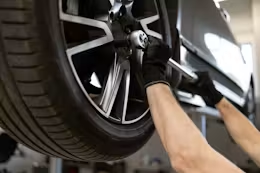
- Maintenance and availability: booking services on time and catching faults early, so vehicles are on the road when they're needed.
- Driver management and safety: making sure each driver is assigned the right vehicle, is licensed to drive it and is driving safely.
- Cost control: tracking fuel or charging, mileage, maintenance spend and penalty charges, and spotting where money is being wasted.
- Reporting: giving leadership a clear, accurate picture of fleet performance, cost and environmental impact.

Why fleet management gets harder as you grow
A fleet becomes complex long before anyone would call it large. With five vehicles, a spreadsheet and a good memory might be enough. Add more drivers across more sites and the cracks start to show.
One missed MOT, one unchecked licence or one delayed service can quickly turn into a vehicle off the road, a fine or a compliance problem. Typical warning signs include:
- deadlines tracked in spreadsheets or calendars that only one person understands
- licence checks that happen when someone remembers, not on a schedule
- breakdowns that a routine check could have caught
- no single view of what each vehicle costs to run
- reporting that takes days to pull together, and still has gaps
The answer isn't more admin. It's putting vehicles, drivers and data in one place, so issues are flagged before they become problems.
How to improve fleet management
- Bring everything into one place. Keep vehicle, driver, maintenance and compliance information on a single system that everyone works from, rather than separate spreadsheets.
- Automate compliance. Set up automatic reminders for MOTs, services and inspections, and run driving licence checks on a regular schedule. Digital inspection logs give you a clear audit trail.
- Move from reactive to proactive maintenance. Service alerts and vehicle diagnostics help you fix small issues before they become breakdowns, which keeps vehicles available.
- Use telematics. Telematics shows you where vehicles are, how far they've travelled and how they're being driven. Many newer vehicles share this data directly through the manufacturer's built-in connectivity (known as OEM telematics), so there's no extra box to fit.
- Automate mileage capture. Accurate mileage makes it easier to reimburse drivers, plan servicing and understand real running costs.
- Let data drive replacement decisions. Knowing each vehicle's mileage, running costs and downtime helps you replace the right vehicles at the right time, and choose the right ones next.
- Report clearly. Simple, reliable reports on cost, compliance and CO₂ make it easier to show leadership how the fleet is performing.
Managing an electric fleet
Yes, you can run a fleet of electric vehicles, and for many businesses it's the most cost-effective option. The fundamentals of fleet management stay the same, but a few things change.
Charging replaces refuelling
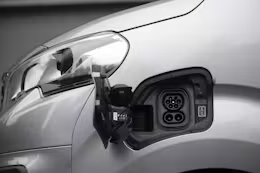
Instead of fuel cards and forecourts, you need a charging strategy that works for each driver: home charging for those who take vehicles home, workplace or depot charging for vehicles that return to base, and public charging for longer journeys. Getting this right is what keeps an electric fleet moving.
Running costs look different
Electric vehicles have far fewer moving parts than petrol or diesel ones. There are no oil changes, and regenerative braking reduces wear on brakes, which typically means lower servicing costs. Charging at home or at your depot is usually much cheaper per mile than fuel.
Tax and charges in 2026
- Company car tax: fully electric company cars are taxed at 4% Benefit-in-Kind in 2026/27, rising to 5% in 2027/28, 7% in 2028/29, 9% in 2029/30 and 10% in 2030/31. Petrol cars sit at roughly 25% to 37%. Because employer Class 1A National Insurance is based on the same benefit, the business saves too.
- Capital allowances: from 1 January 2027, the First Year Allowance on new vans rises from 40% to 50%.
- ULEZ: fully electric vehicles are exempt from London's Ultra Low Emission Zone charge.
- Congestion charge: since 2 January 2026, electric vehicles pay the London congestion charge, but with a discount when registered for Auto Pay: 25% for electric cars and 50% for electric vans. These discounts are due to halve in 2030.
- Pay-per-mile road tax (eVED): from April 2028, electric cars will pay 3p a mile. Electric vans are due to be exempt at first.
- Grants: the van grant of up to £5,000 and the Depot Charging Scheme, which covers up to 70% of installation costs, both continue.
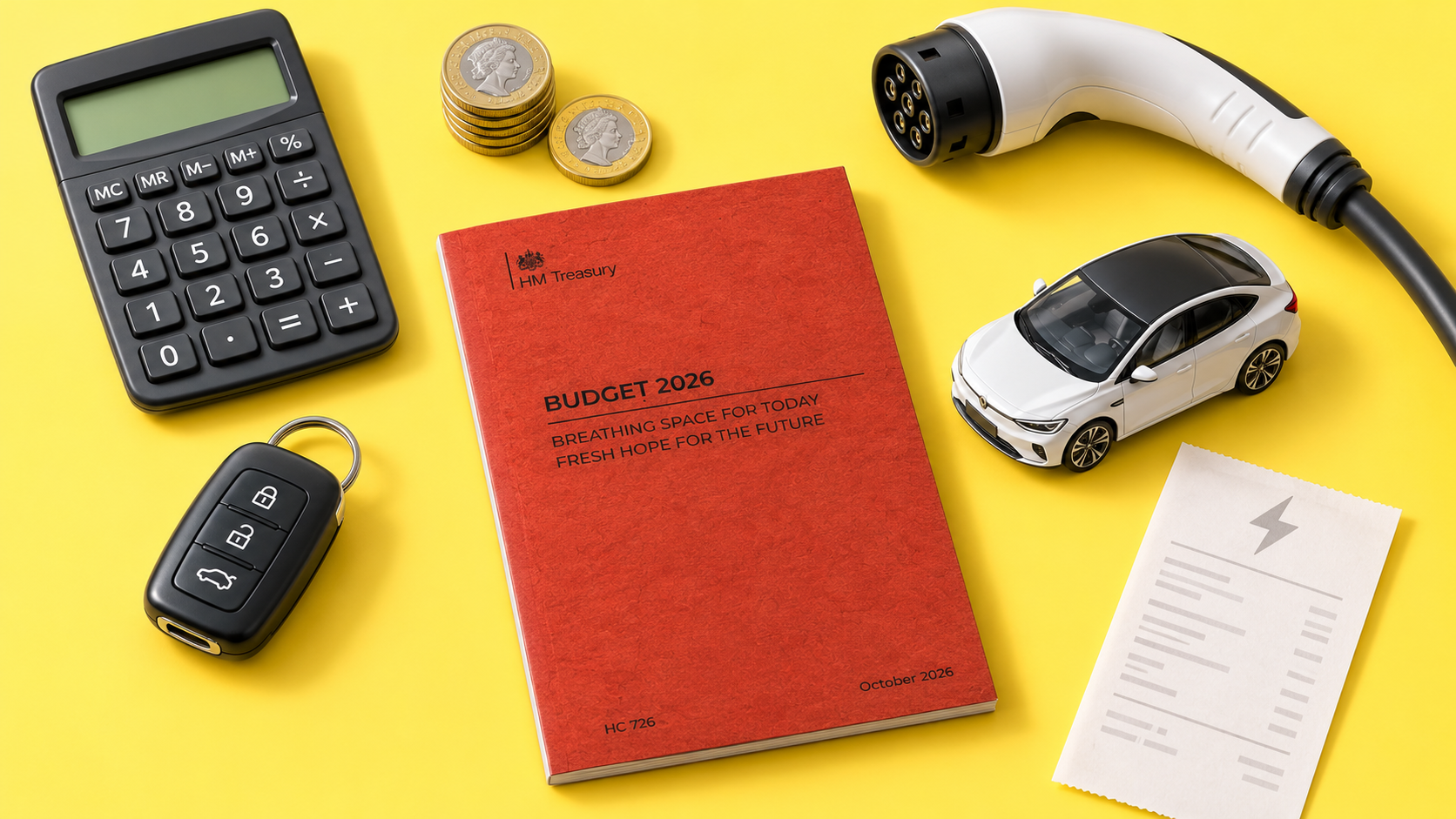
For more detail, see our Autumn Budget 2026 breakdown for fleets.
Running a mixed fleet
Most fleets go electric gradually, so you may be managing petrol, diesel and electric vehicles side by side for a while. Tracking fuel and charging costs in one place makes that much simpler. Our Fleet Fuel & Energy Management service is built for exactly this.
Fleet management from DriveElectric
DriveElectric Fleet Management brings your vehicles, drivers, compliance and costs together in one connected platform. It's designed for fleets that have outgrown spreadsheets but don't need enterprise-level complexity, and it comes with a named fleet specialist who gets to know your operation.
There are two packages:
- Essential for structured compliance and core fleet control.
- Pro for real-time insight, adding live vehicle data straight from the manufacturer and tools to cut cost and downtime.
|
What's included |
Essential |
Pro |
|---|---|---|
|
MOT and licence tracking |
✓ |
✓ |
|
Driver assignments |
✓ |
✓ |
|
Inspection schedules |
✓ |
✓ |
|
Penalty and fines management |
✓ |
✓ |
|
OEM telematics |
|
✓ |
|
Live dashboard |
|
✓ |
|
Mileage automation |
|
✓ |
|
Trip and fuel analysis |
|
✓ |
|
Integrated service alerts |
|
✓ |
|
Driver behaviour |
|
Coming soon |
|
CO₂ reporting |
|
Coming soon |
Want the full detail? Download our Fleet Management brochure.
Expert support for going electric
Alongside the platform, our EV consultants can help you plan and manage the switch:
- Driver attitudes: we analyse your telematics data and survey your drivers to shape your EV strategy.
- Whole life costs, whole life carbon: we map out the financial and environmental impact of replacing petrol and diesel vehicles.
- Charging strategy: we help you plan home, workplace and public charging so your vehicles keep moving.
- Policies and process: our leasing and policy expertise helps you bring EVs into the business smoothly.
- Flexible funding: business lease contracts on new and used vehicles, from 1 month to 8 years, with access to multiple funders.
We can also help with servicing and repairs through Upkeep, our vehicle maintenance solution.
Why DriveElectric?
We were established in 1994 as Fleetdrive Management and became DriveElectric in 2008, set up to speed up the switch to electric. That means more than 15 years specialising in EVs, helping UK businesses replace thousands of petrol and diesel vehicles with electric ones. Today we're part of the Jurni group, with dedicated account management and 5-star rated service.
Book a fleet review. If you'd like clearer oversight, less risk and a plan for going electric, get in touch with our team or call us on 01628 899727.
Fleet management FAQs
What does a fleet manager do?
A fleet manager makes sure a business's vehicles are safe, legal, available and cost-effective. That includes choosing and replacing vehicles, keeping on top of MOTs, servicing and licence checks, managing drivers and reporting on costs.
Do small businesses need fleet management?
If you run more than a handful of vehicles, yes. You don't need a dedicated fleet department, but you do need a reliable way to track deadlines, drivers and costs. Many businesses start looking for a system once spreadsheets stop keeping up.
What is telematics?
Telematics is technology that collects data from a vehicle, such as location, mileage, trips and driving behaviour. OEM telematics means the data comes straight from the manufacturer's built-in connectivity, so there's no separate tracking device to fit.
What are a business's legal responsibilities for its fleet?
Businesses must make sure their vehicles are roadworthy and their drivers are licensed to drive them. In practice, that means keeping up with MOTs and servicing, checking driving licences regularly and keeping clear records. A fleet management system helps, but responsibility stays with the vehicle operator.
Is an electric fleet cheaper to run?
For many businesses, yes. Lower servicing costs, cheaper charging and low company car tax rates usually outweigh the higher list prices. The best way to know for sure is a whole life cost comparison for your own fleet, which our team can help with.
Can I manage petrol, diesel and electric vehicles together?
Yes. Most fleets switch to electric gradually, and a good fleet management system lets you see every vehicle, whatever it runs on, in one place.
Published: April 2023
Updated: October 2026