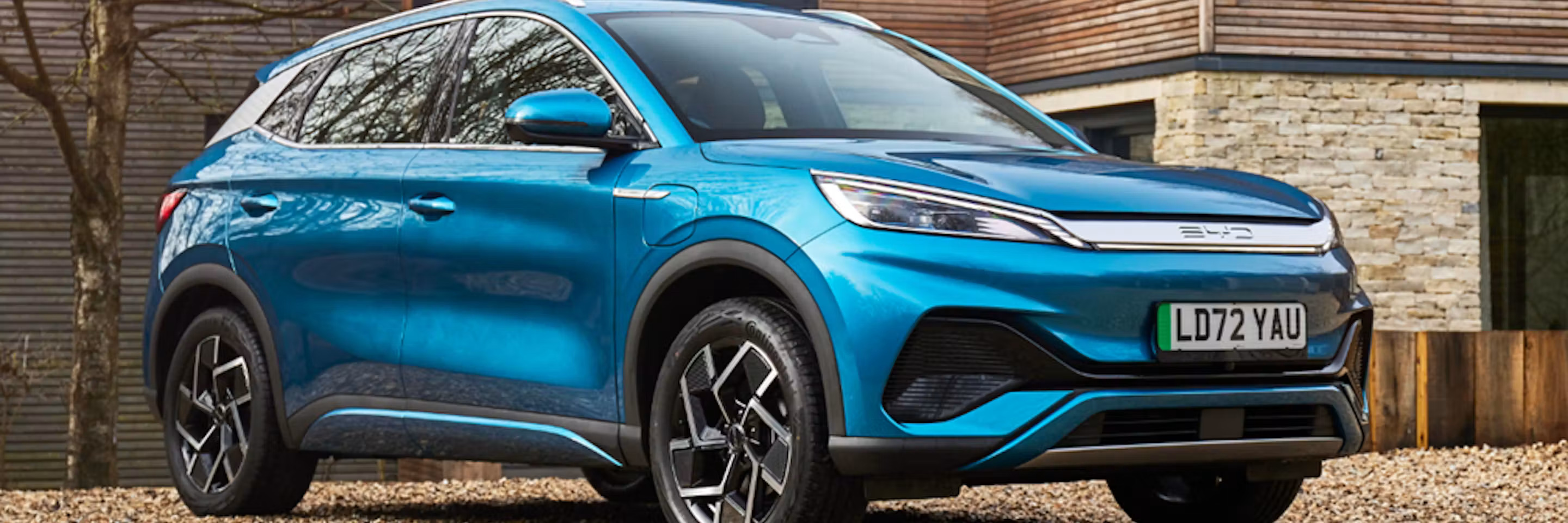
BYD ATTO 3

Enable your employees to save on brand-new electric cars with our hassle-free scheme.
With the widest choice of pure EVs and flexible leasing offers, switching to electric has never been easier.
DriveElectric Fleet Management delivers complete operational oversight through one connected platform.
Gain speedy access to the best EVs available so that you can get on the road to net zero, fast.
Explore Upkeep, our fleet vehicle maintenance solution that simplifies servicing, repairs, and compliance to keep your...

Explore unified fuel and EV energy management for mixed fleets in one connected platform.
Meet the BYD Seal: a sleek, powerful electric saloon packed with the latest EV technology, impressive range and plenty of kerb appeal.
This is a review for BYD Seal.
Range
up to 354 miles WLTP
Battery
82.5kWh
Charging
37 minutes rapid charging)
Power
308bhp (Design) / 523bhp (Excellence)
Seats
5
At a glance
The BYD Seal has been an important model in BYD's UK line-up since its arrival in 2023, taking the fight directly to established electric saloons such as the Tesla Model 3. It brings together the Chinese manufacturer's growing expertise in battery technology, electric powertrains and vehicle design in a package that feels a little more upmarket than some of its earlier UK offerings.
For 2026, BYD has given the Seal a series of useful updates. These aren't dramatic changes to the overall design, but they do make a difference to everyday ownership. The boot has grown to 485 litres, the front storage compartment now offers 72 litres, and additional technology includes a Driver Monitoring System and smartphone-based Bluetooth key.
Importantly, BYD hasn't tinkered with the bits that already worked well. The Seal retains its 82.5kWh Blade Battery, two powertrain choices and distinctive Ocean-inspired styling.
It's also a car that deserves consideration beyond the private buyer. Its comfortable cabin, strong performance, generous equipment and zero tailpipe emissions make it an interesting option for company car drivers and businesses looking to introduce electric executive cars into their fleets.
15.6-inch rotating central touchscreen
12-speaker Dynaudio premium sound system
Panoramic glass sunroof
Heated and ventilated electrically adjustable front seats
Two wireless smartphone charging pads
Driver Monitoring System
Bluetooth smartphone key
360-degree panoramic camera
Electric tailgate
Vehicle-to-Load (V2L) functionality
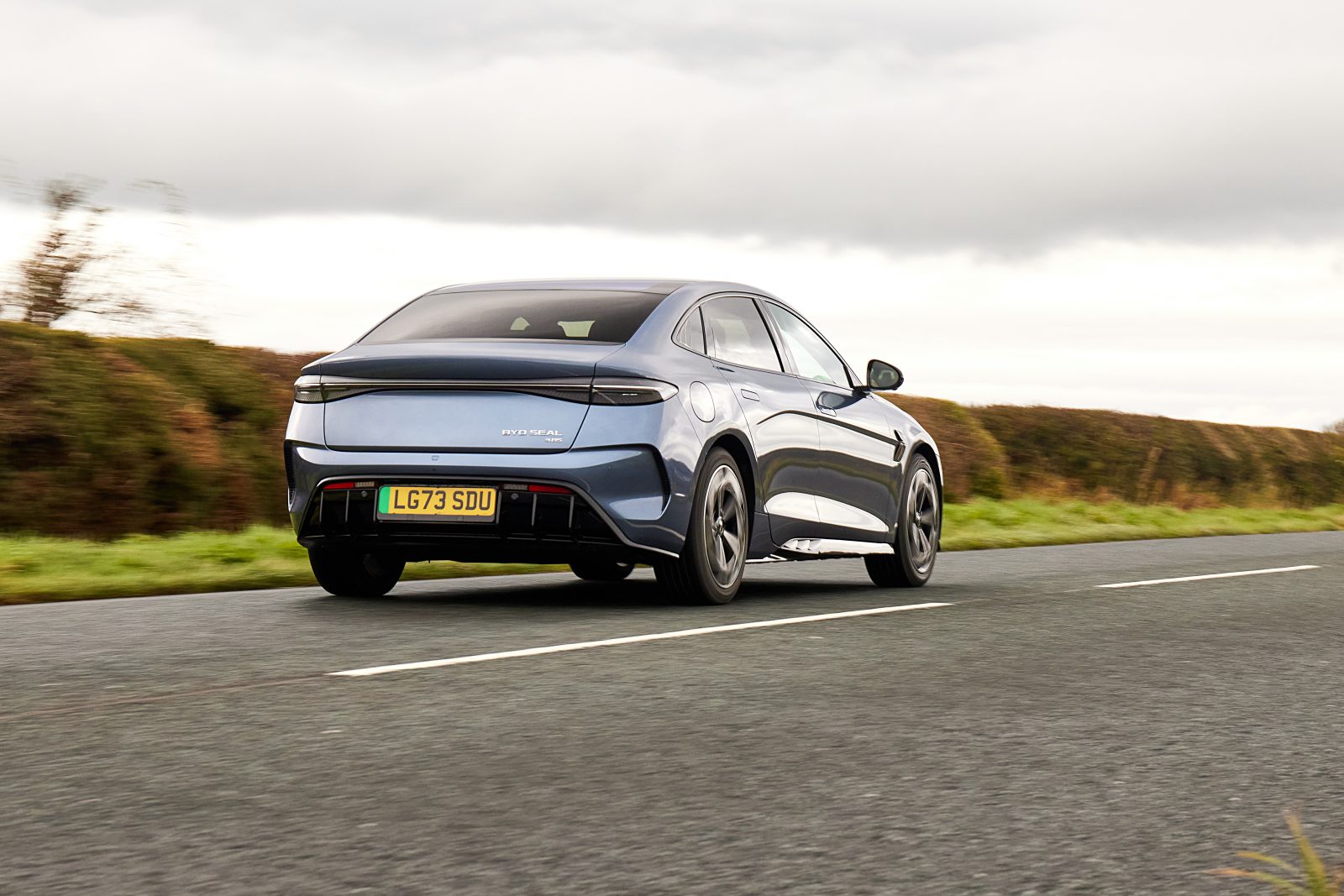
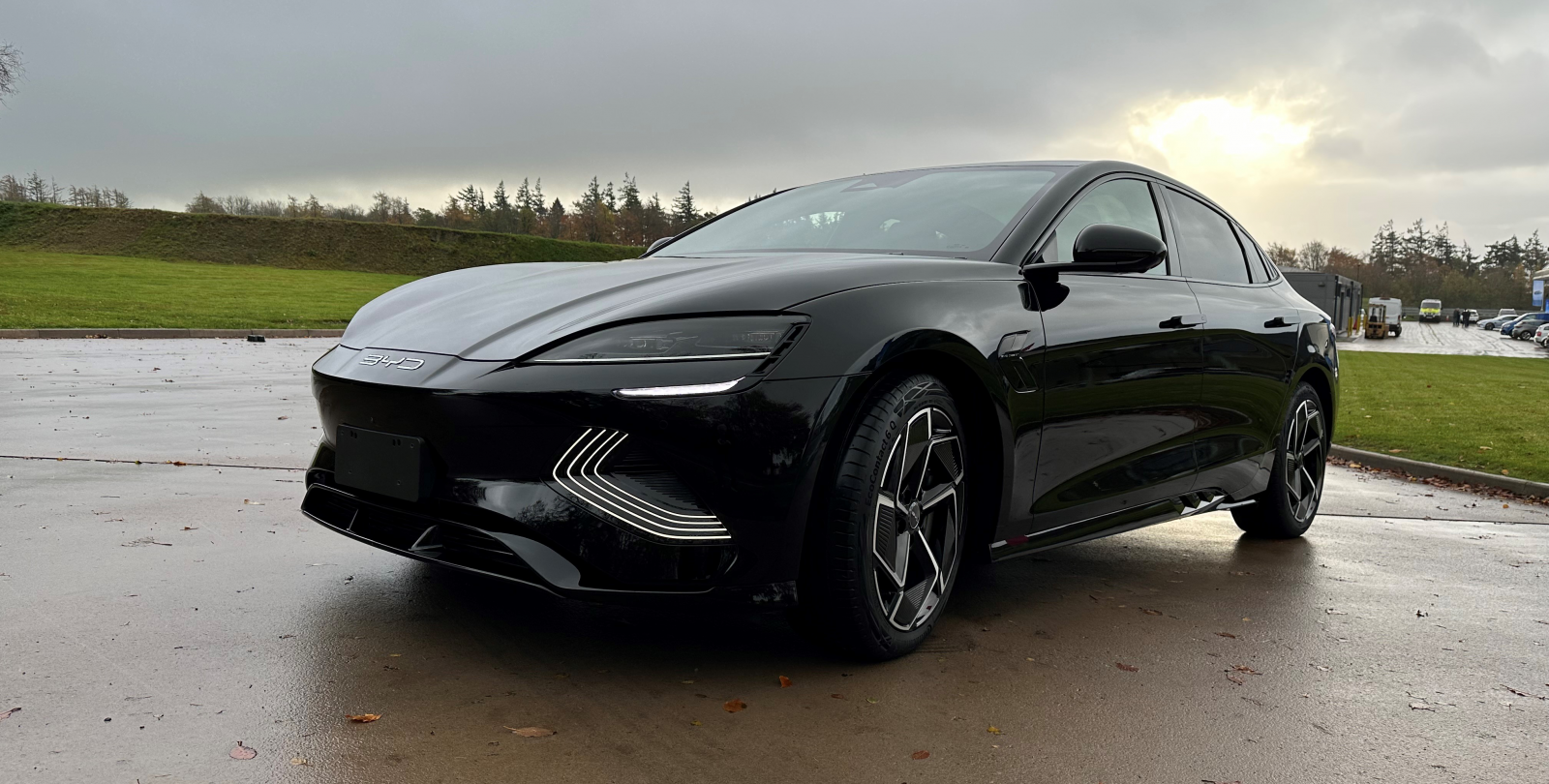
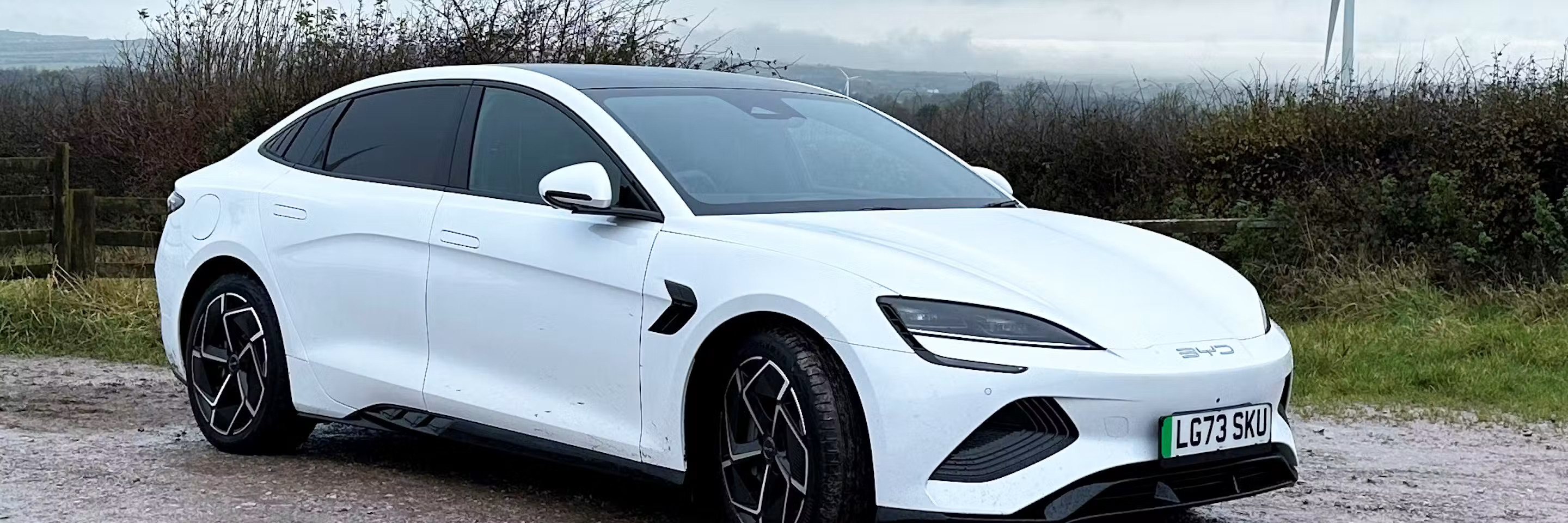
First impressions count, and the BYD Seal certainly has plenty of kerb appeal. Adopting the Chinese brand's Ocean-X design language, the Seal is a sleek, low-profile four-door saloon with a sporty stance and flowing lines. There's no mistaking its intended rivals, particularly the Tesla Model 3, but the Seal has a distinctive look of its own.
The 2026 updates are relatively subtle. New 19-inch alloy wheel designs give the car a slightly fresher appearance, while additional paint choices, including Ruby Red, Obsidian Black and Lavender Grey, offer buyers more opportunity to personalise their car. The rear also receives revised badging, with the BYD logo positioned prominently above the full-width LED light bar.
Inside, things are equally impressive. The cabin has a modern, premium feel, with soft-touch materials, comfortable seating and a generally well-considered layout. The large central touchscreen remains a key feature, measuring 15.6 inches and offering the flexibility to rotate between landscape and portrait orientations.
If you're someone who enjoys exploring technology and settings, there's plenty to get stuck into. Thankfully, the main driving controls remain straightforward, so you don't need to spend every journey navigating menus.
The driver also gets a separate digital instrument display, keeping important information such as speed, battery charge and driving data within easy view.
The seats are another highlight. Both front seats are electrically adjustable, heated and ventilated, making the Seal a comfortable place to spend time whatever the weather decides to do. A panoramic glass roof helps create a more open and airy cabin, while the 12-speaker Dynaudio sound system provides a welcome upgrade for music lovers.
Practicality has also received some attention for 2026. The rear boot now offers 485 litres of luggage capacity, up from 400 litres previously. There's also a useful 72-litre storage compartment beneath the bonnet, ideal for charging cables or smaller items you'd rather keep separate from the main luggage area.
For a car measuring around 4.8 metres in length, that's a useful amount of storage. Five occupants can be accommodated, although, as with most saloons, the sloping roofline means taller rear passengers may find headroom a little tighter than in an SUV.
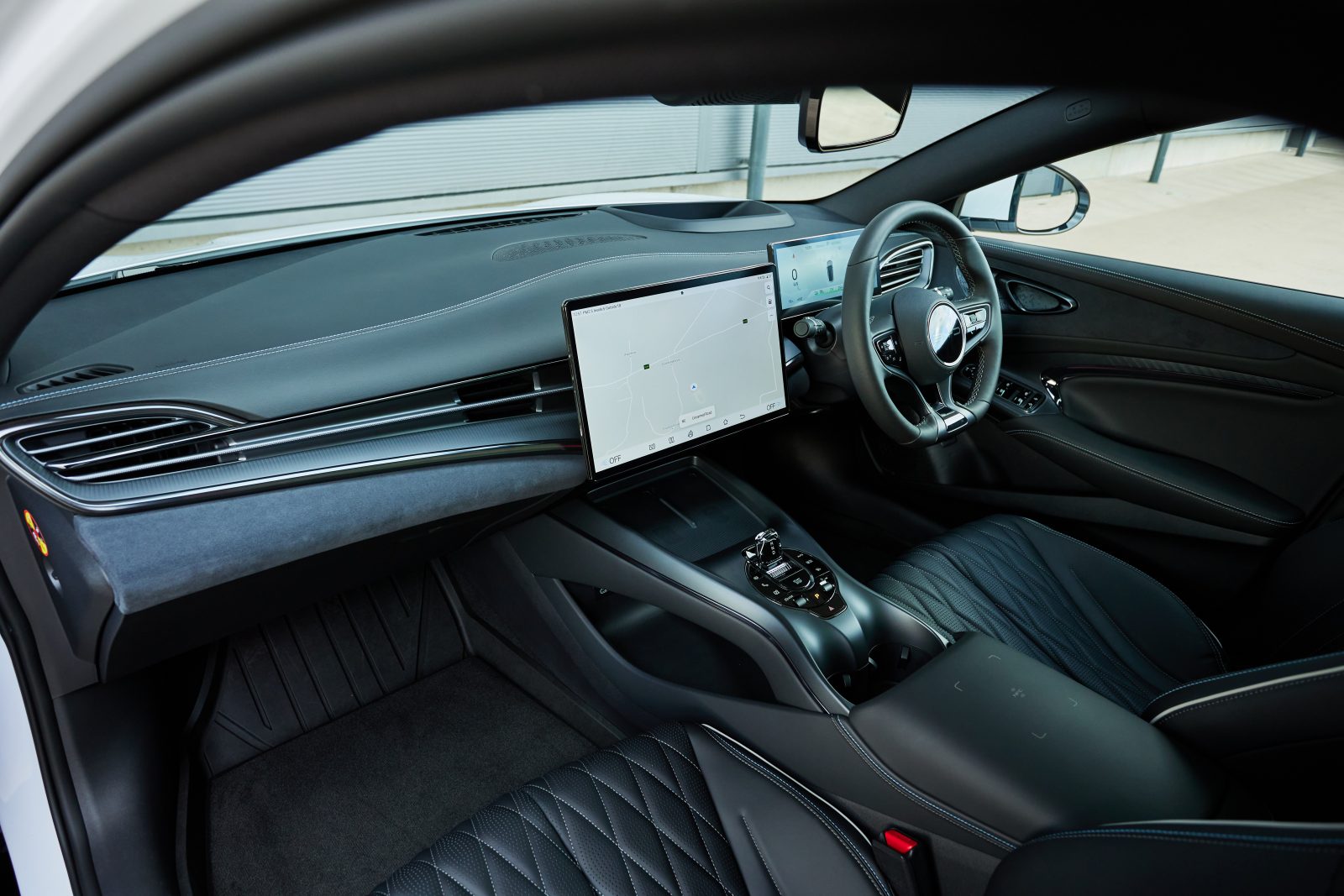
Materials are plush and impressive, the seating is finished in leather and comes complete with impressive stitch detail. Both the front seats are electronically adjustable, with the AWD Excellence model adding in adjustable lumbar support for the driver. Helping with the sense of airiness in the vehicle is also a full-length tinted panoramic sunroof.
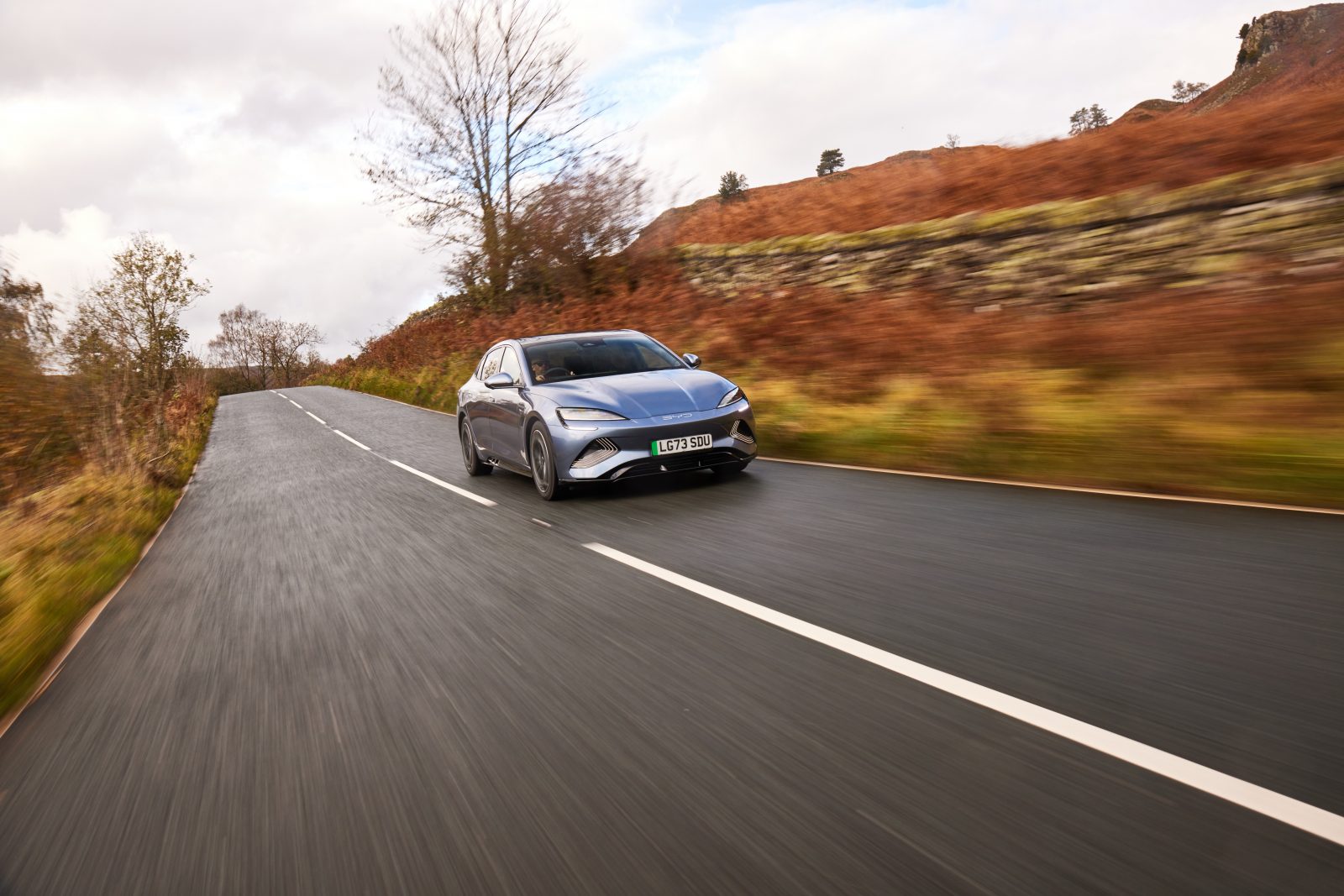
The BYD Seal isn't just about looking good. Underneath its sleek exterior is a choice of two electric powertrains, offering either rear-wheel drive or all-wheel drive.
The Design model uses a single electric motor driving the rear wheels. It produces 308bhp and 360Nm of torque, giving the car a 0-62mph acceleration time of 5.9 seconds.
That's more than enough performance for everyday driving, offering brisk acceleration when pulling away from junctions, joining motorways or overtaking slower traffic.
If you fancy something with a little more punch, the Excellence is where things get particularly interesting. Its dual-motor, all-wheel-drive setup produces a hefty 523bhp and 670Nm of torque. The result? A 0-62mph time of just 3.8 seconds.
That's properly quick for an executive saloon and puts the Seal firmly into performance-car territory. The instant delivery of electric torque makes acceleration feel effortless, although you'll want to keep an eye on the speedometer because it gets up to speed surprisingly quickly.
Both versions have a maximum speed of 112mph.
Of course, there's more to a good electric car than straight-line speed. The Seal uses BYD's Intelligent Torque Adaption Control (iTAC) system to help manage power delivery and maintain stability, while its Cell-to-Body construction integrates the battery into the vehicle structure.
The result is a car designed to offer a solid, planted driving experience, with the all-wheel-drive Excellence providing the additional traction and performance you'd expect.
Both models use BYD's 82.5kWh Blade Battery, which is based on lithium iron phosphate (LFP) chemistry. Unlike some conventional EV battery chemistries, BYD's Blade Battery is cobalt-free, and the manufacturer places particular emphasis on its durability and safety characteristics.
The battery is also integrated into the car's structure using Cell-to-Body technology. This helps make better use of space while contributing to the vehicle's structural rigidity.
A heat pump is fitted as standard, helping manage battery and cabin temperatures more efficiently, particularly in colder weather.
For business users, the Seal's performance is a nice bonus, but its smooth and quiet electric power delivery is arguably more important. It makes for a relaxed motorway cruiser and a comfortable car for longer business journeys.
Both versions of the BYD Seal use the same 82.5kWh battery, but the choice of drivetrain has an impact on how far you can travel between charges.
The rear-wheel-drive Design has an official WLTP combined range of up to 354 miles, making it the better choice if maximising range is your priority.
The more powerful all-wheel-drive Excellence offers a WLTP range of up to 323 miles. That's still a healthy figure, although the additional motor and performance naturally come with a small range penalty.
As always, it's worth remembering that WLTP figures are produced under standardised test conditions. Actual driving range will depend on several factors, including driving style, speed, temperature, road conditions and whether you're using the heating or air conditioning.
For motorway-heavy journeys, particularly during winter, it's sensible to allow for a lower range than the official figure.
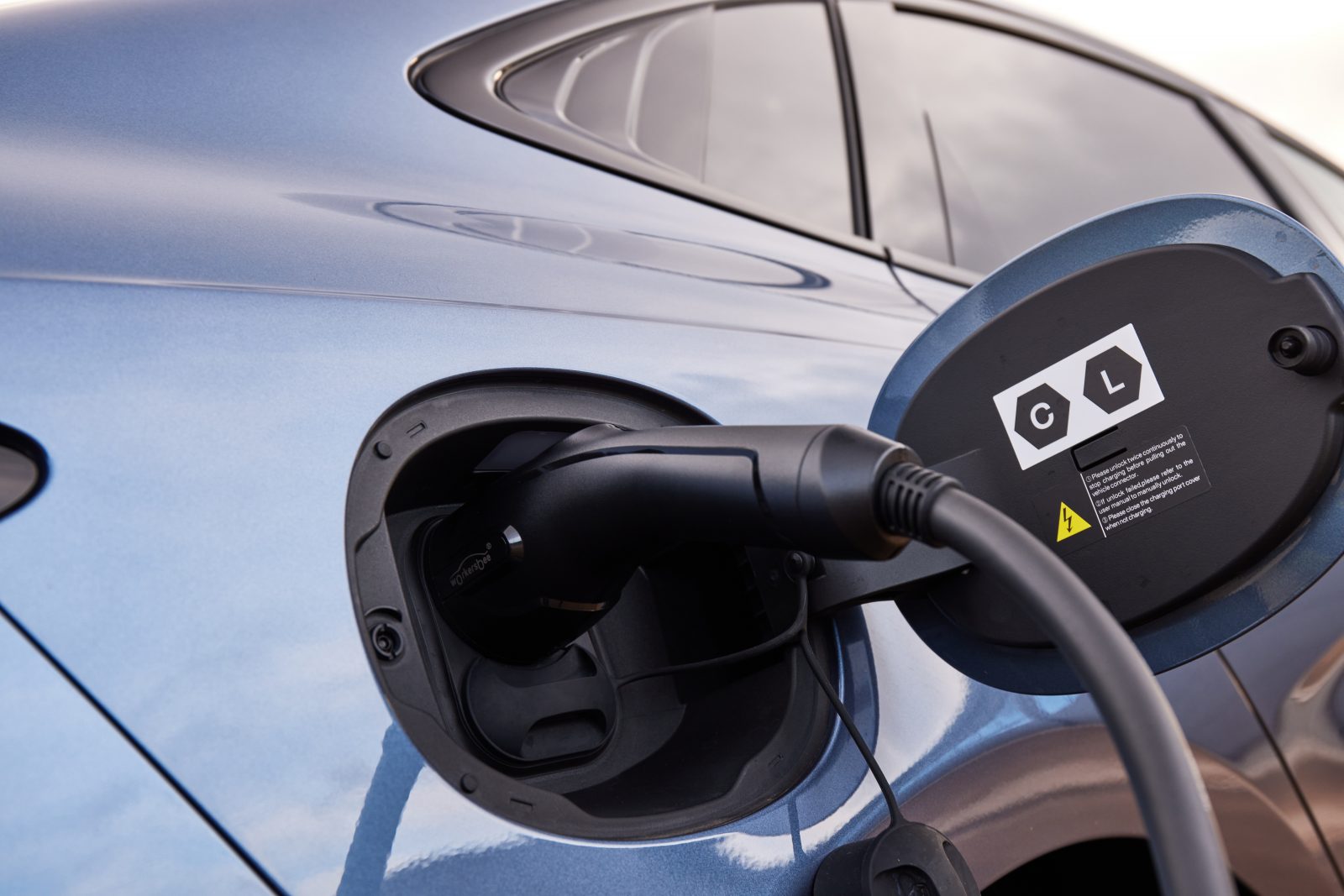
Charging is handled by an 11kW three-phase onboard AC charger, making the Seal suitable for overnight charging at home or at compatible workplace charging points.
When using a compatible ultra-rapid public charging station, the car supports DC charging at up to 150kW. BYD quotes a 10-80% charging time of approximately 37 minutes.
That's perfectly workable for longer journeys, although there are electric cars on the market now that offer considerably faster charging speeds. It's one area where the Seal is good rather than class-leading.
Another useful feature is Vehicle-to-Load (V2L) capability. This allows the car to supply electricity to compatible external devices using energy stored in its battery. It's a handy feature for everything from camping equipment to powering smaller electrical appliances.
For businesses, this also adds a little flexibility, particularly for drivers who spend time working away from the office.
The BYD Seal is a very convincing electric saloon, and the 2026 updates make an already strong package even more appealing.
It gets a lot right. The styling is distinctive without being too adventurous, the cabin feels suitably premium, and the standard equipment list is generous. The increased luggage capacity is a welcome improvement too, particularly for anyone regularly carrying passengers, work equipment or luggage.
Then there's the performance. Even the rear-wheel-drive Design is quick enough for most drivers, while the 523bhp Excellence offers acceleration that would have seemed rather extraordinary in an executive saloon not so long ago.
There are a few things to consider. The 150kW maximum DC charging rate is no longer particularly impressive compared with some newer electric cars, and the sloping saloon roofline won't suit everyone. Those regularly travelling long distances should also factor in real-world range rather than relying entirely on the WLTP figures.
For private buyers, the Seal offers a well-equipped, comfortable and genuinely quick alternative to more familiar executive saloons.
For business users, it brings several advantages too. Zero tailpipe emissions, a comfortable long-distance driving environment, generous standard equipment and the potential benefits of running an electric company car make it well worth considering. Its suitability for a fleet will, of course, depend on purchase or leasing costs, charging arrangements and the way the vehicles will be used.
BYD has clearly come a long way since first arriving in the UK. The Seal demonstrates just how competitive its technology and vehicle engineering have become.
It might not be the obvious choice for everyone, but if you're looking for an electric executive saloon with plenty of performance, technology and practicality, the BYD Seal deserves a place on your shortlist.