


Electric vehicle charging guide
There are three main options when it comes to charging your electric car or van. These are charging the EV at home, charging it while at work or using the public charging network.
Finding a charging mix that works for you
New to electric vehicles? It's worth thinking about how and where you expect to charge before your vehicle arrives.
Depending on your circumstances, your charging mix will be unique to you; you might use a combination of home and workplace charging, or you might rely solely on the public charging network. This guide looks at each option in detail:
Electric vehicle charging at home
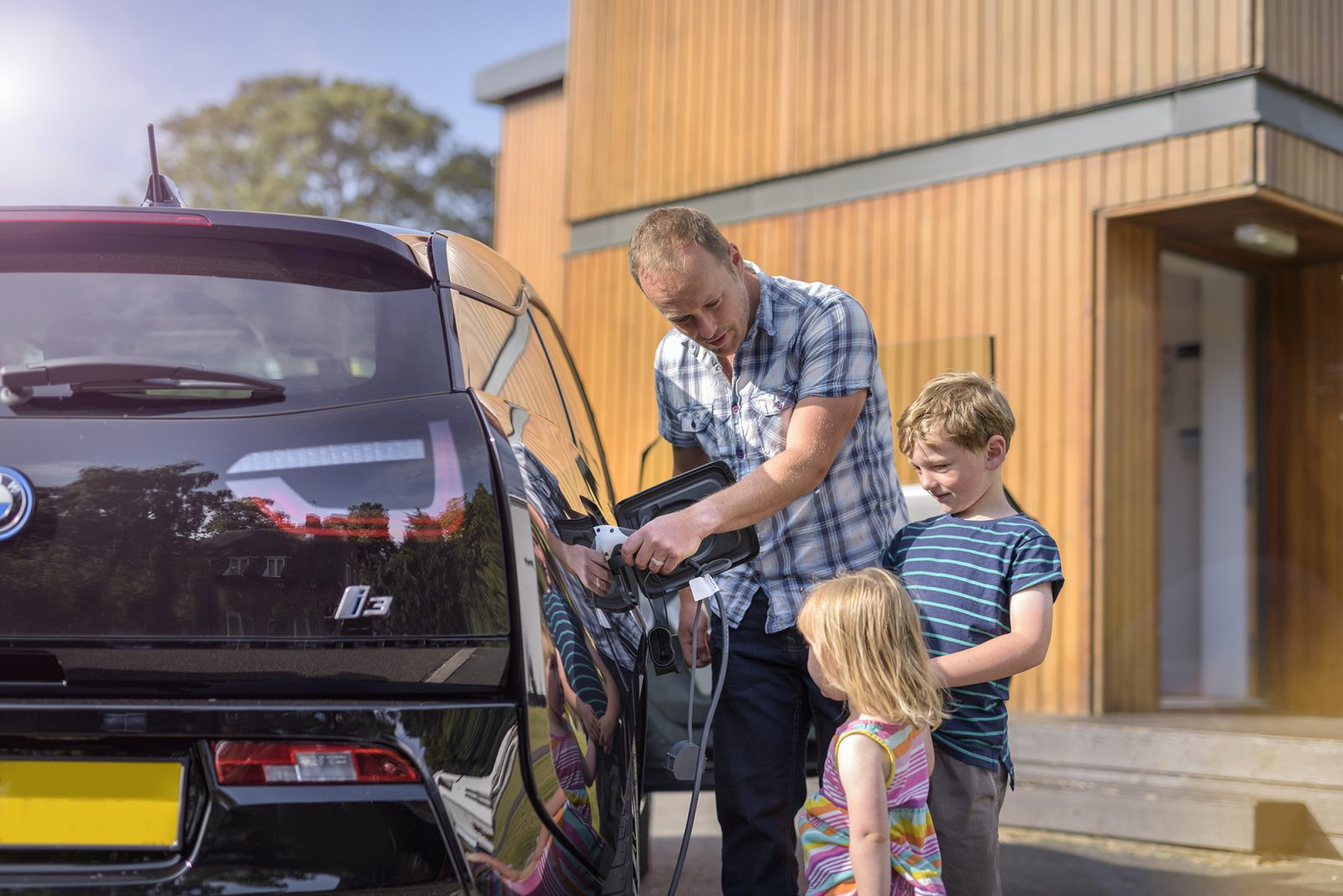
For most EV drivers, home charging is where the majority of charging happens, and it's the cheapest and most convenient option. A 7kW home charger installed on your driveway, garage or off-road parking space means your vehicle starts every morning with a full charge, without ever visiting a fuel station. You can further reduce costs by setting up a low-rate overnight electricity tariff. Dedicated EV tariffs from providers such as EDF (GoElectric Tariff) offer rates as low as 6.99p per kWh* during off-peak hours (11pm-6am), compared to around 24p per kWh at the standard rate. At those prices, a full charge can cost under £7 for most electric cars. Both your EV and its charger app will let you schedule charging to start automatically during off-peak hours, so you don't need to think about it.

EDF's GoElectric Tariff
Ideal if you charge most nights and want predictable, low-cost rates
- 7 hours off-peak electricity every night (11 pm-6 am) at 6.99p/kWh
- Compatible with any EV or charger
- One-year fixed-price tariff – locked in for peace of mind
Our home charging top tips:
Do
- Install a home charger if you have a driveway, garage or off-road parking. It's by far the most practical long-term solution
- Charger first: Aim to have your charger installed just before your vehicle is delivered, so you're ready from day one
- Set up an overnight EV tariff, the savings over a full lease term are significant
- Use your charger's scheduling app to charge overnight and take advantage of the cheapest rates
Don't
- A note on 3-pin plug charging: While you can charge using a standard domestic socket, it is significantly slower (taking up to 24 hours to fill a car battery) and we don't recommend it as your regular charging method, it could overheat a domestic socket. If you do use a 3-pin plug never use an extension cable, always plug the charger cable directly into a wall socket.
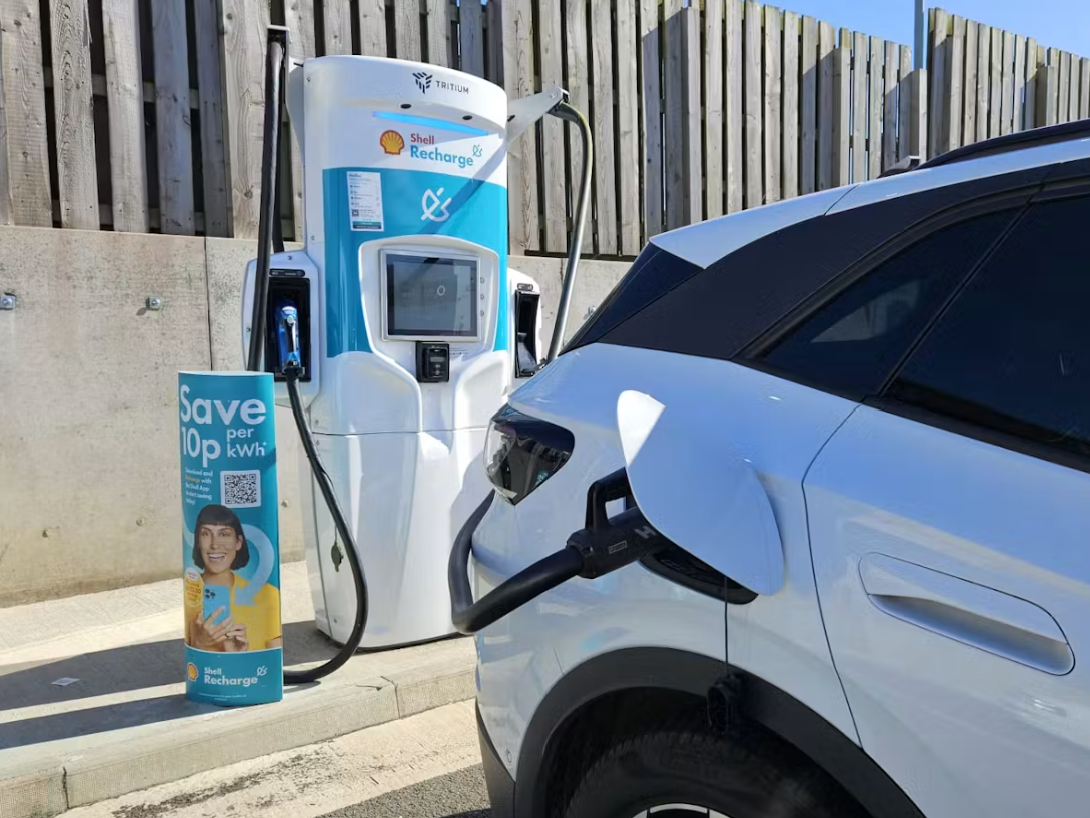
Public charging an electric vehicle
The UK's public charging network has grown considerably. As of May 2026, there are over 121,262 public EV chargers across 46,664 charging locations around the UK, at petrol stations, motorway services, hotels, shopping centres, car parks, leisure centres and on street. With new locations being added every week.
Most modern public chargers now accept contactless bank card payment, which has removed much of the earlier friction around apps and membership cards. That said, some networks still offer better rates to members, so it could be worth downloading apps for the networks you use most frequently.
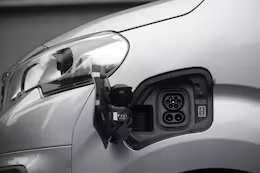
It's worth knowing what connector type your vehicle uses before you travel. Almost all new electric cars and vans in the UK use a CCS (Combined Charging System) connector for rapid and ultra-rapid DC charging, and a Type 2 connector for AC charging (home or standard and standard plus public charging) . If you drive a Tesla, your vehicle uses NACS (previously Tesla's own connector), though adaptors are widely available.

We recommend downloading Zap-Map as your go-to tool for finding public chargers. It shows live availability, charger speeds, connector types and user reviews across the whole UK network.
Motorway charging
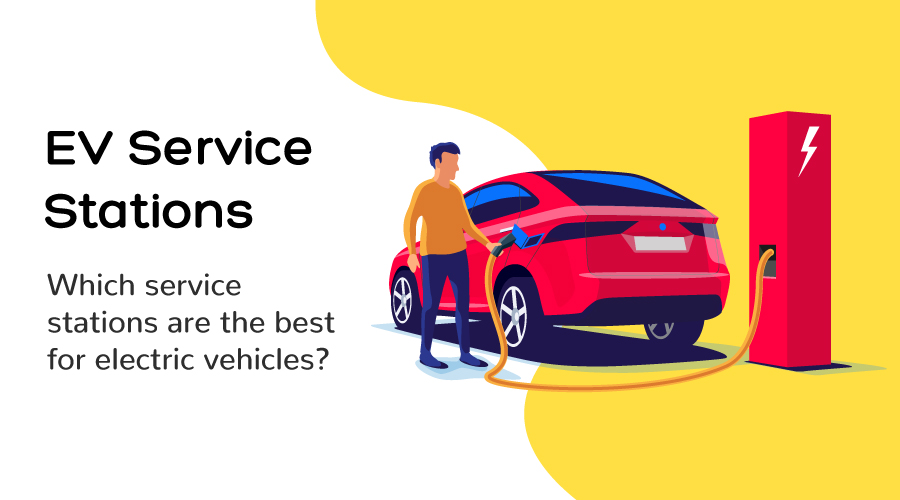
The UK's motorway network now has EV charging at virtually every service station, with many locations offering multiple ultra-rapid chargers (150kW+). The major providers on motorways include Gridserve, BP Pulse, Pod Point and Tesla Superchargers. Charging speeds at motorway services mean most vehicles can add 100+ miles of range during a standard 20–30 minute comfort break. We've ranked every UK motorway service station for EV drivers in our EV Service Stations guide - worth bookmarking before a long trip.

Charging Hubs
Over the last 4 years charging hubs have been popping up more frequently. They typically have 6+ ultra-rapid chargers - the kind of set-up you would expect to find at a motorway service station... but not at a traditional motorway service station. So it's worth looking out for these if you're going further afield as they're sometimes less congested than service stations. Example locations:
- Sometimes found on industrial estates
- or on or nearby retail parks with fast food restaurants and out of town supermarkets.
- Gridserve Electric Forecourts - like a service station, but all EV, powered by 100% renewable energy, with rentable by the hour office pods and retail shops etc.

Charging an electric vehicle at work
Workplace charging is an increasingly common benefit. Many employers now provide charge points in car parks (sometimes at subsidised or zero cost to staff) supported by the Workplace Charging Scheme (WCS), a government grant that reduces installation costs.
The ability to top up at work can effectively double a driver's usable daily range, making an EV practical for longer commutes and mixed-use days.
For more detail see our: Guide to charging electric vehicles at work.
How long will my electric car take to charge?
The answer will depend on the size of your car's battery and the type of charger you're plugged in to. Let's take you through the four definitions of charger speed...
(This is a slight information deep dive: you don't need to know these terms to have an electric car or to charge one! But it is good to be aware that different chargers charge at different speeds so you plug into the right kind of charger if you're in a hurry)

Standard*
Charge time (7kW): 6-10 hours for a full charge (depending on battery size)
3kW - Charging via a standard 3-pin domestic socket. Takes around 16-24 hours for a full charge on most EVs. Not recommended as a regular method — use a dedicated home charger instead.
7kW - Domestic charge points are widely available for use with 32A circuits. Virtually all UK homes can have a 7kW home charger installed professionally. If you can park off-street this is our recommended charging solution. Increasing numbers of 7kW workplace chargers are provided to staff by businesses. Public charge locations such as multistorey car parks or train stations typically have 7kW chargers too.
*Previously called "Slow" (3kW) or "fast" (7kW)

Standard plus*
Charge time: 3-4 hours
Higher power (22kW) fast charging will normally occur at dedicated public or workplace charge bays rather than at home. If your home has three-phase then this might be available to you too but it is rare in the UK. This will fully charge an average-sized electric vehicle battery in three to four hours.
*Previously called "fast" (8-22kW)

Rapid (50kW+)
Charge time: 30-45 mins
Found at dedicated public charging locations and some workplaces. Charges most EVs to 80% in around 30–40 minutes. Almost all current EVs in the UK use CCS for DC rapid charging.

Ultra-rapid (100-350kW)
Charge time: 10-25 mins
Available at premium public charging hubs, most motorway services and an increasing number of retail locations. At 150kW+, most EVs can add 100 miles of range in 15–20 minutes. If you drive a Tesla, the Supercharger network offers up to 250kW. The newest vehicles (such as those built on 800V platforms) can accept even higher charge rates.
Tip: Once your battery hits between 80% and 90% the charge rate will start to drop dramatically to protect battery life, it is time to unplug!
FAQs
Can you charge an electric car in the rain?
Yes, completely safely. EV charging equipment sold in the UK is weatherproofed and tested to withstand rain, and all charging connectors are designed to prevent any electrical contact with water. Charging in wet weather is no different to charging on a dry day
Do I need a driveway to own an electric car?
No, but it makes things significantly more convenient. If you have a driveway, garage or off-road parking, a home charger is by far the cheapest and easiest way to keep your EV charged. If you don't, you'll rely on public charging or workplace charging, which works well for many drivers, particularly those who charge regularly at work or live near a good public network.
On-street charge points are also becoming more common, and lamp-post chargers are being rolled out in a growing number of UK towns and cities. It's worth checking what's available near you before deciding. For many drivers without a driveway driving an electric car is perfectly manageable.
How do I find electric car charging points near me?
The easiest way to find nearby charging points is to download Zapmap, a free app that shows the UK's entire public charging network in real time, including live availability, charger speeds and connector types. Most in-car navigation systems (including Google Maps and Apple Maps) also show charging locations and can filter by charger speed. If you're planning a longer journey, Zapmap's route planner can plot a route with charging stops built in based on your vehicle and current battery level.
What is destination charging?
It is a catch-all term used to describe a location where electric vehicles are likely to be parked for an extended period. At hotels, holiday parks, visitor attractions, restaurants, city centre car parks and leisure venues. The idea is to let drivers connect up during their visit, rather than making a special stop to charge.
Destination chargers are typically 7kW, which suits longer stays well. You might not arrive with a full charge, but you'll likely leave with one. The number of destination charging locations across the UK has grown significantly since 2024, and most are now searchable on Zap-Map.
What is the cheapest time to charge an electric car at home?
The cheapest time to charge is overnight, typically between 11pm and 6am, when electricity demand is lowest. If you're on a dedicated EV tariff; such as EDF's GoElectric tariff you can pay as little as 6.99p per kWh during off-peak hours*, compared to around 24p at the standard rate.
Most home chargers and EVs let you set a charging schedule through an app, so your car charges automatically during the cheapest window without any manual input. Over a full lease term, the savings from overnight charging add up to hundreds of pounds.
Is it safe to sit in an electric car while charging?
Yes, it is safe to sit in your electric car while it charges. There is no risk from doing so. You can use the infotainment system, listen to music or simply wait in the vehicle while it charges. The only thing worth bearing in mind is that running heating or air conditioning from the battery while charging will slow the charge rate slightly. If you want to warm or cool the cabin, it's more efficient to use the pre-conditioning feature while still plugged in, which draws power from the grid rather than the battery.