



How to get an electric car charger installed at home
So, you’re going electric. That’s great news! Your Tesla , Hyundai , Kia or BMW is on its way and you can’t wait to get on the road. As well as your new greener credentials, one of the biggest changes to your daily life will be how you top up your car. Gone are the days of nipping to your local petrol station to fill up. Now you’ll be charging your car up with electricity.
Most EV drivers do the bulk of their charging at home, and with a home charger and a cheap overnight tariff, it's by far the easiest and most affordable way to keep your car topped up.
Getting one installed is simpler than many people expect. Here's how it works, what to think about before you book, and what's changed in 2026.
How home charger installation works
- Get a quote. Most installers start with a few questions and photos of your fuse box, electricity meter and where you'd like the charger. Some will visit to survey your property.
- Check your electrics. Your installer will make sure your home's supply can handle a charger. Occasionally you'll need extra work, such as a new consumer unit or an upgraded main fuse, which they'll flag in your quote.
- Installation day. A straightforward installation usually takes around half a day. The installer fits the charger, runs a dedicated circuit from your fuse box, and tests everything.
- Paperwork. Your installer notifies your local electricity network operator and certifies the work under building regulations, so there's nothing for you to sort out.
- Set up and start charging. Download your charger's app, connect it to your Wi-Fi and set up a charging schedule to make the most of a cheaper overnight tariff. Our smart charging guide can help you get started.
Who can install a home charger?
This isn't a DIY job. A home charger needs a qualified electrician who specialises in EV charger installation, and the work must meet wiring regulations and be certified.
You can arrange installation through a charger manufacturer, a specialist installer or some energy suppliers, and car makers often have recommended partners too. If you're applying for a government grant, you'll need a charger and installer that meet the grant's requirements.
If you lease your EV with DriveElectric, we can help you arrange home charger installation too.
Choosing the right charger
Power. Most UK homes have a single-phase supply, which means a 7kW charger is the standard choice. That adds around 25 to 30 miles of range per hour, roughly three times faster than a 3-pin plug, and easily fills most EVs overnight. Faster 22kW chargers need a three-phase supply, which is rare in UK homes, and many cars can't charge that fast at home anyway.
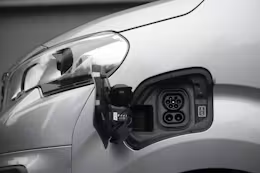
Tethered or untethered. A tethered charger has its cable permanently attached, so you just unhook it and plug in. An untethered charger has a socket, so you use your own cable. It looks neater, but you'll need to get the cable out each time.
Smart features. Every new home charger sold in Great Britain must be smart, so you can schedule charging, track costs and use the cheapest overnight rates through an app. Some chargers also work with specific EV tariffs or can charge using spare power from solar panels.
Design is the fun part. Chargers range from sleek, compact units to statement pieces, so pick one you're happy to see every day.
Where to put your home charger
Your installer will help you choose the best spot, but it's worth thinking about:
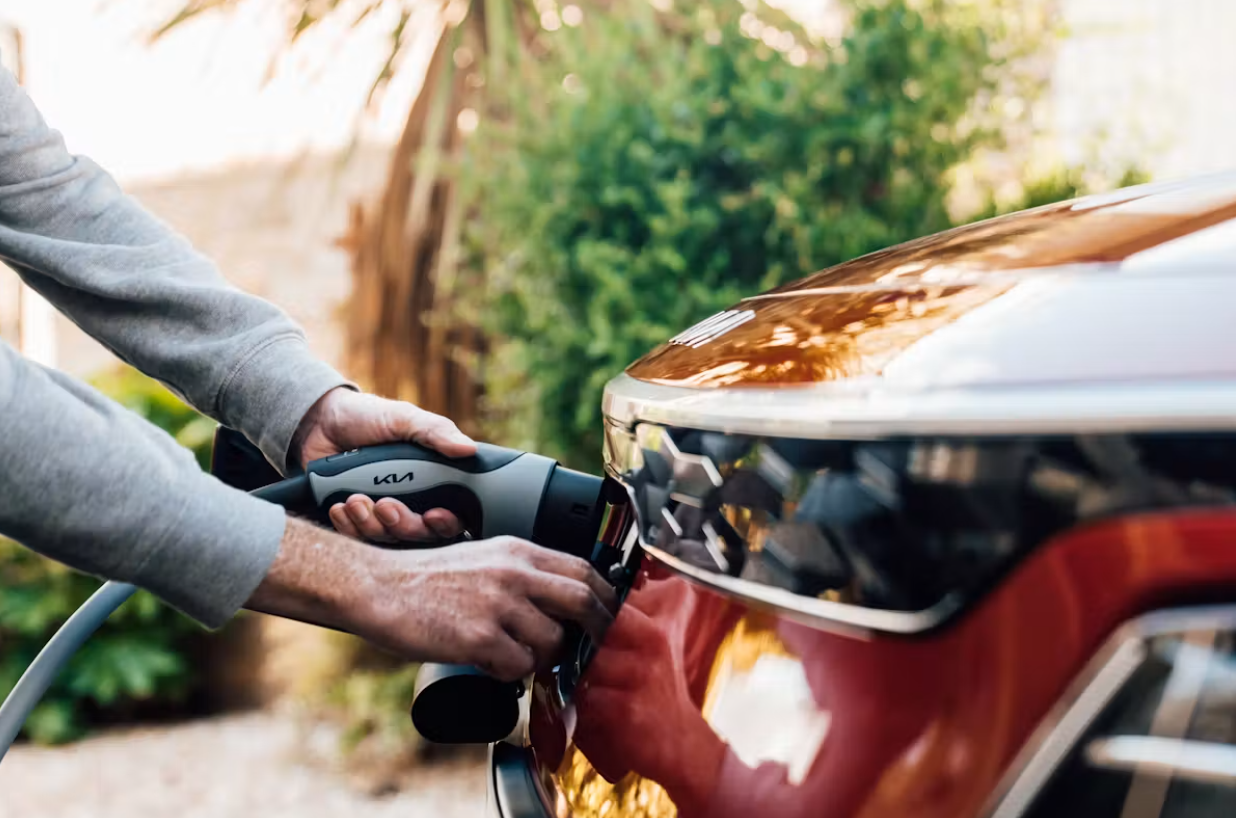
- Where your car's charge port is. Some are at the front, others on the side or rear, so think about how you usually park.
- Cable length. Make sure the cable can reach comfortably without stretching across paths where someone could trip.
- Wi-Fi signal. Your charger needs a good connection for its smart features, so check your signal reaches the spot you choose.
- Distance from your fuse box. Shorter cable runs are usually simpler and cheaper to install.
- Any future EVs. If a second electric car might be on the cards, a position that can reach both parking spaces could save you hassle later.
Permissions and grants
Planning permission. In England, most home chargers on a driveway are now permitted development, so you won't need to apply for planning permission. You may still need it if you live in a listed building or a conservation area, and the rules are different in Scotland, Wales and Northern Ireland, so check with your installer or council if you're unsure.
Renters and flat owners. If you rent or own a flat with private off-street parking, you could get a government grant of up to £500 towards your charger and installation. Renters will need their landlord's permission, and flat owners may need permission from their freeholder or management company.
Homeowners with a driveway. There's currently no government grant for homeowners with a driveway, but some energy suppliers and charger brands offer their own deals.
For typical prices and what affects the cost of your installation, see our guides on the cost of installing an EV charger at home and how much it costs to charge your EV at home.
Ready to go electric?
We've been helping drivers make the switch since 2008, and we're happy to help with everything from choosing your EV to getting set up at home. Browse our electric car lease deals or get in touch for honest, expert advice.
Last updated: Nov 2026
Published: Apr 2023
Home charger installation FAQs
Can I take my car charger with me if I move house?
Yes, a charger can be removed and reinstalled at a new home by a qualified installer, though you'll pay for the work. Many people leave theirs behind, as it can be an attractive feature for buyers.
Do I need to tell my home insurer about an EV charger?
It's a good idea. Let your insurer know you've had a charger fitted so your policy reflects it, and keep your installation certificate somewhere safe.
Can I get a home charger if I don't have a driveway?
Yes, in many cases. If you park on the street outside your home, a cross-pavement charging solution lets you run a cable safely from your home charger to your car. This is usually a channel set into the pavement, sometimes called a gully. You’ll need permission from your local council first.
A government grant of up to £500 (capped at 75% of the cost) can help with the chargepoint. In Scotland, a separate grant of up to £3,500 can also help pay for the cross-pavement solution itself, if your council accepts applications. Our guide to charging without a home charger explains all your options.