
The Hyundai IONIQ 5 is a comfortable, refined EV, but it’s not particularly sporty. So it should be interesting to drive the forthcoming IONIQ 5 N, which is due to be the new ‘high-performance’ model in the IONIQ range.
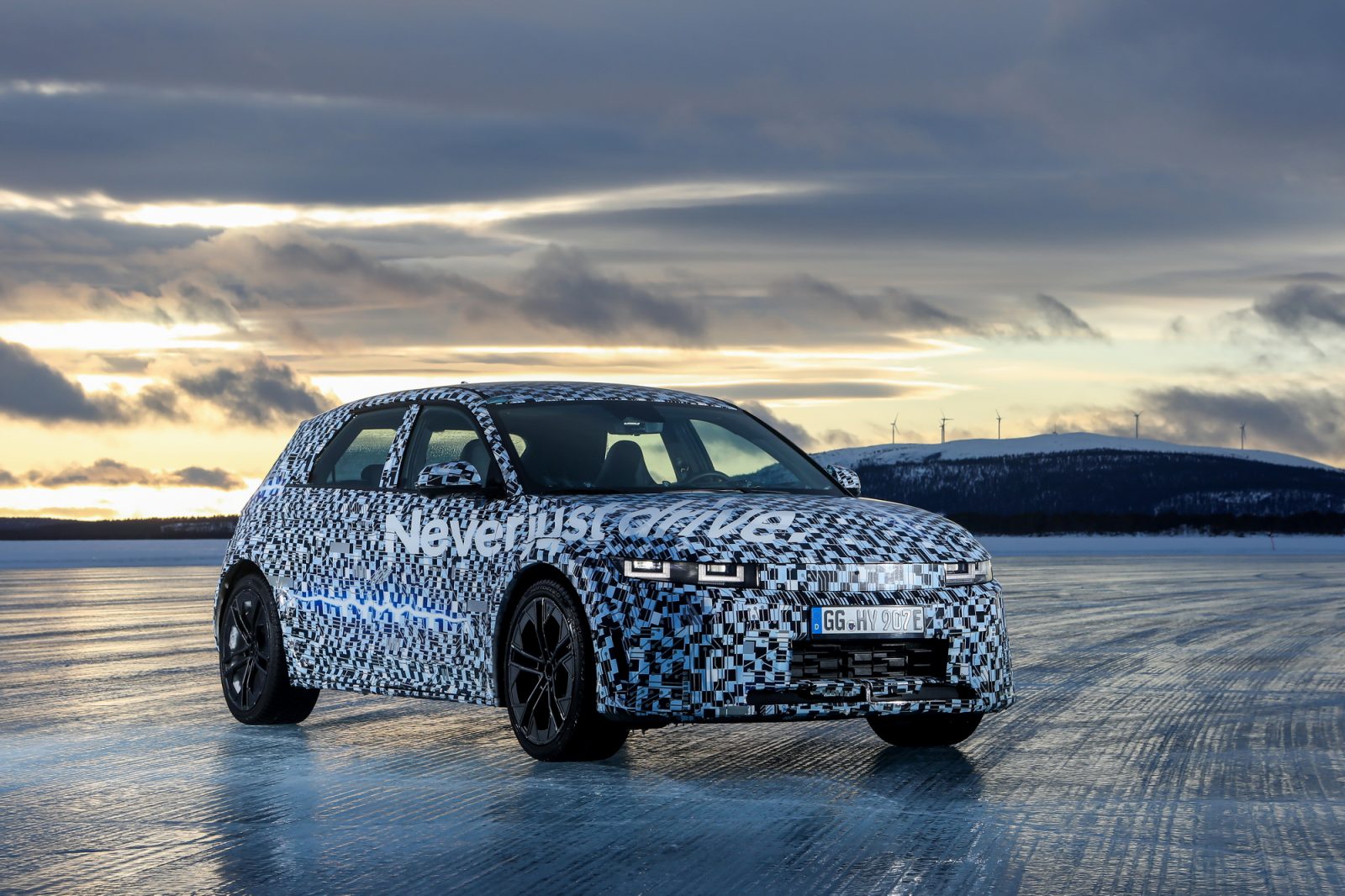
Due to debut in July 2023, the IONIQ 5 N will be all-wheel-drive, and Hyundai says that it will “signal a shift in brand evolution with a new line-up of high-performance electric vehicles”.
The IONIQ 5 N combines the EV’s Electrified-Global Modular Platform (E-GMP) with N’s motorsport-developed technologies. The car is currently undergoing winter testing on low-grip icy surfaces in sub-zero (-30°C) temperatures at the Hyundai Mobis Proving ground in Arjeplog, Sweden. Hyundai says that the EV’s dual-motor chassis will benefit from knowledge gained from the all-surface AWD capabilities demonstrated by the Hyundai i20 N WRC Rally 1 car in Sweden.
In fact, the IONIQ 5 N will be the first N brand production vehicle with all-wheel drive, technology that has been developed since 2015 through competition in the World Rally Championship. Over eight years of WRC participation, Hyundai has won two world championships.
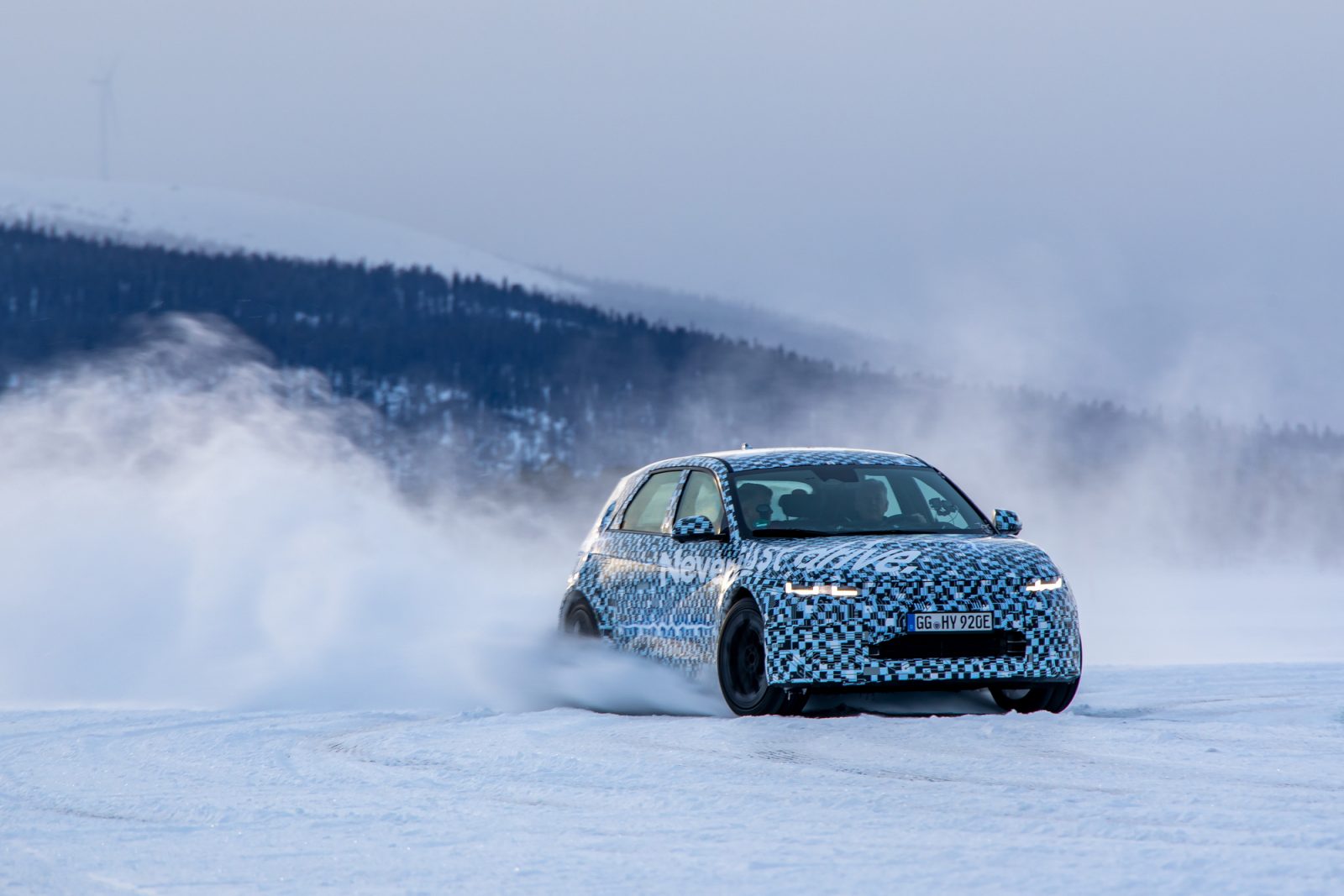
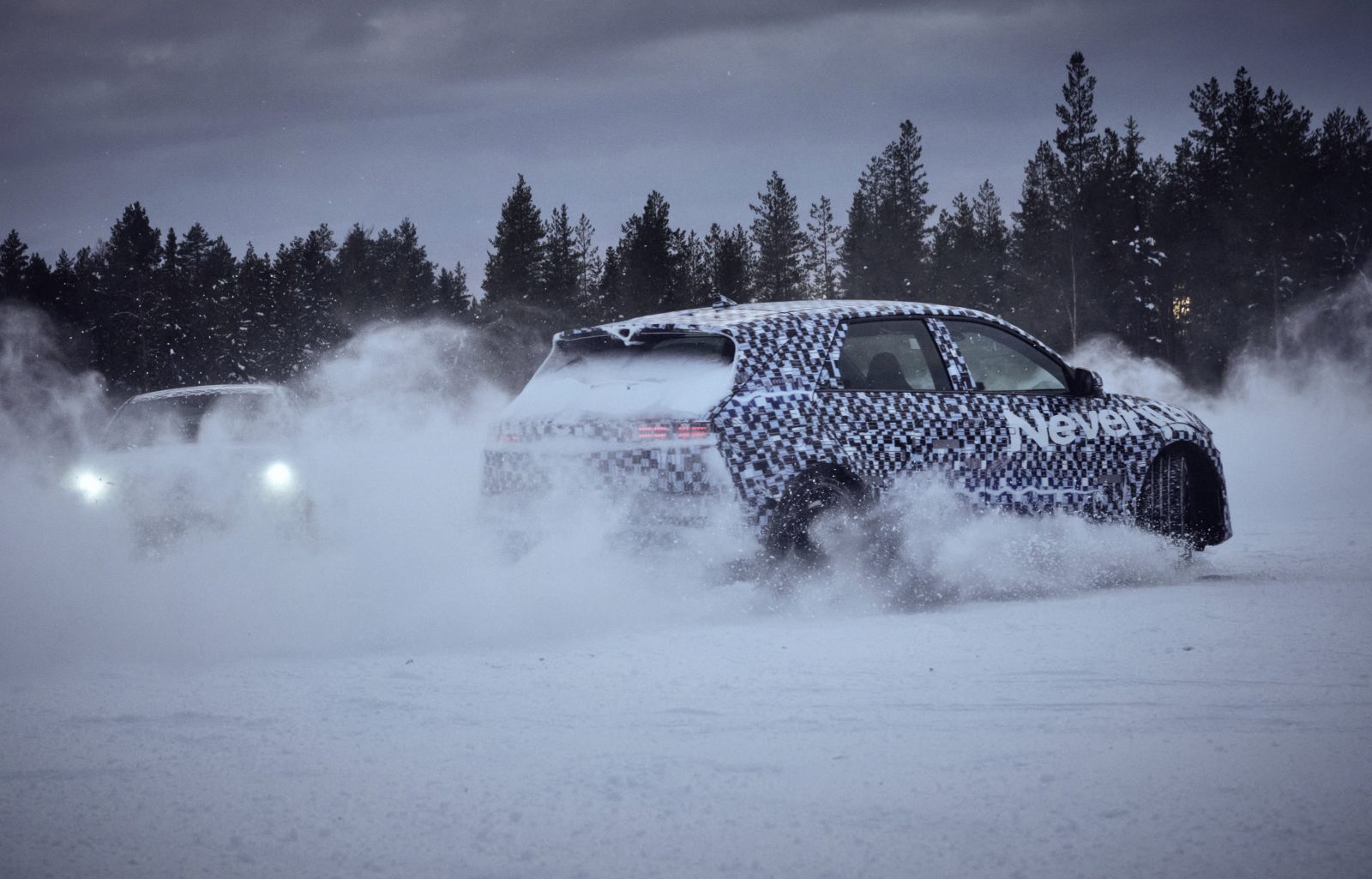
The IONIQ 5 N will feature ‘N Drift Optimizer’, which integrates front and rear torque distribution, torque rate, suspension stiffness, steering effort, and the e-LSD (electronic-Limited Slip Differential) system to create a driving mode dedicated to drifting.
The e-LSD is specifically tuned for the IONIQ 5 N, with the electronic control unit monitoring input from wheel sensors to accurately identify when a certain wheel needs extra torque to enhance overall vehicle grip. The e-LSD improves handling during cornering and high-speed driving on the racetrack as well as during driving conditions such as ice and deep snow and provides quicker responses and accuracy for the faster-reacting torque delivery of EVs compared to ICE vehicles.
The IONIQ 5 N also uses N Torque Distribution which is optimized for different drive modes, allowing the driver to select the torque level for both front and rear wheels. N Torque Distribution and e-LSD work together to distribute power to all four wheels in varying ratios and are specifically designed for EVs.
.png)